The tenet of good tattoo removal aftercare and safety in Australia is not complicated. You want the area to be clean, cool and dry, shielded from the sun and any friction, and you should leave blisters or scabs well alone. But then there is this: put it down to heat, UV, over-cleansing, picking or an early return to the gym, pool or active skincare and you will have poor healing on your hands.
I am Seren Cox. Beauty work has a way of showing you that aftercare is as important as the treatment. In Australia one would say it is all the more so. With our UV, the sweat of summer, beach life and the inclination to “let it air out”, a recovery that ought to be simple can become a week of rough-as-guts healing.
Why It Is Important Here
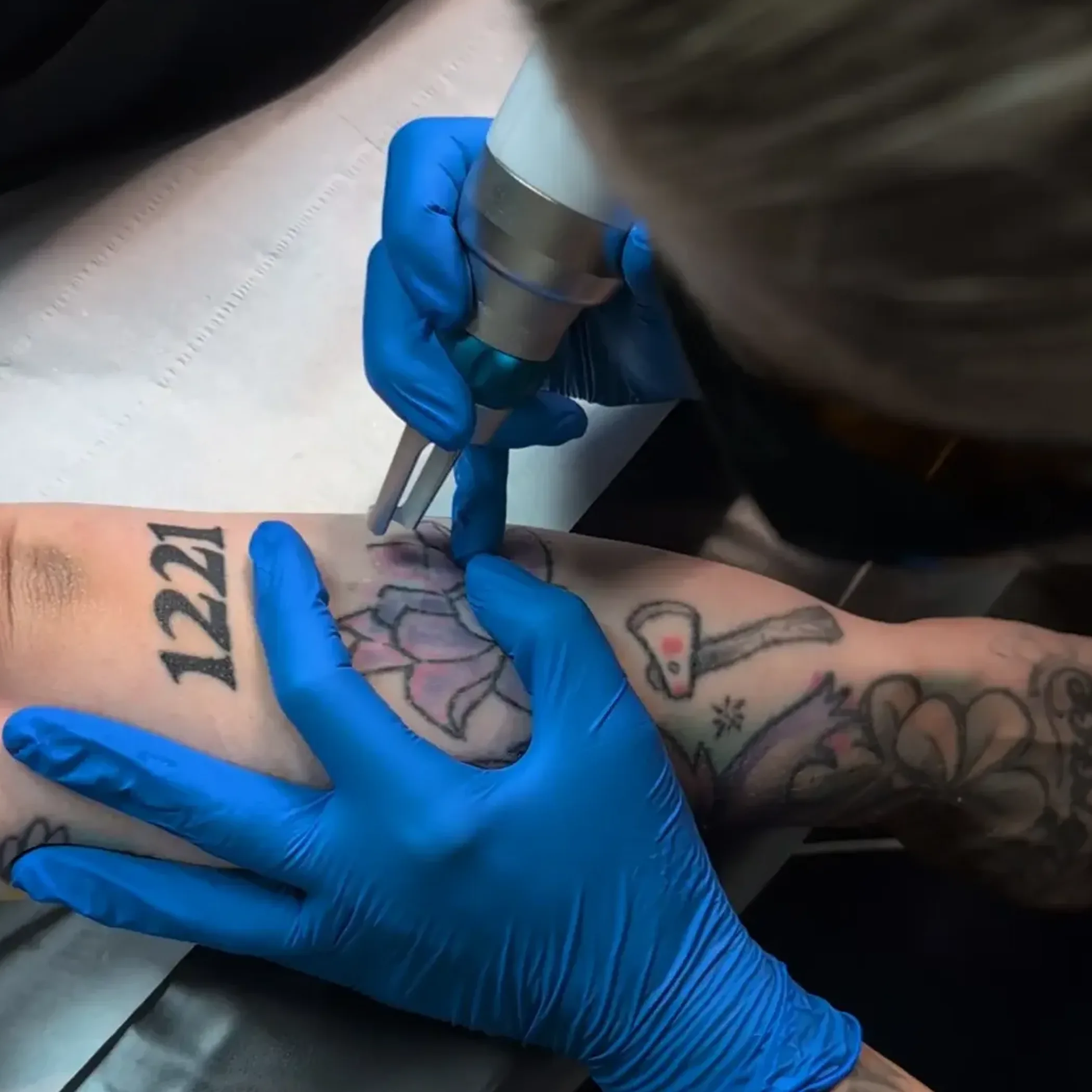
Freshly treated skin does not fare well in Australian conditions. An irritated patch can be heated up by a brief walk to the car in Perth, Brisbane, Melbourne or Geelong; throw in some UV, sweat and friction and the skin will get cranky in no time. For more information, check out understanding saline removal.
So laser tattoo removal aftercare should be taken more seriously than a clinic handout that ends up at the bottom of your bag. It is the surest way to avoid infection or scarring and to see fewer pigmentation changes.
Where People Go Wrong
One is tempted to think a tattoo removal is going to heal like a scratch. It is not. The laser inflicts a controlled injury on the skin and saline methods bring about their own wound response. Yet people will overdo the cleaning, put on who knows what kind of skincare, or take a sweaty 20 minute walk because they think a cloudy day means they can forgo sun protection. Trouble is made that way.
Then there is the matter of delayed irritation. You could be none the wiser leaving the clinic only to find the next morning there is tenderness and swelling. Normal enough with a larger or denser tattoo but it underlines why you should be heeding your aftercare instructions from the first hour and not wait until things look unsightly.
Making The First 72 Hours Easy
For the first couple of days you set the pace for how you heal. Boring is the order of the day. No hot yoga, long showers or a trip to the beach, nor even a quick scrub to get rid of the ointment.
My practical rule is to let your clinician tell you how long to keep the area clean and dry and free of rubbing or direct sun. Let your skin care be unremarkable.
A Checklist To Get Started
Observe the dressing time put forward by your clinic.
Before you put your hands on the area, make sure they are washed.
Should you be advised, a mild cleanser and lukewarm water will do for a gentle clean.
Dry by patting, not rubbing.
Stick to the cream or ointment your clinician puts you on, be it Bepanthen aftercare or whatever they deem suitable for the treatment and your skin.
Put a cold compress on any swelling for a few minutes, with a clean cloth in between.
Do not exercise post treatment if it is to induce sweat or heat.
Showers are to be preferred to a soak in the bath or a swim.
Keep the area covered in something loose.
And do not guess when it comes to signs of infection.
What to Expect
After a laser session you may have to put up with some redness, warmth and a stinging akin to sunburn. A little white frosting is also not uncommon immediately after; the clinics will tell you it is a normal reaction to the laser.
Saline treatment is another story. As it heals the surface dries out and feels tighter. Knowing the difference is handy so as not to follow some internet aftercare routine that is not suited to a saline removal.
Days 3-14: No Need to Worry
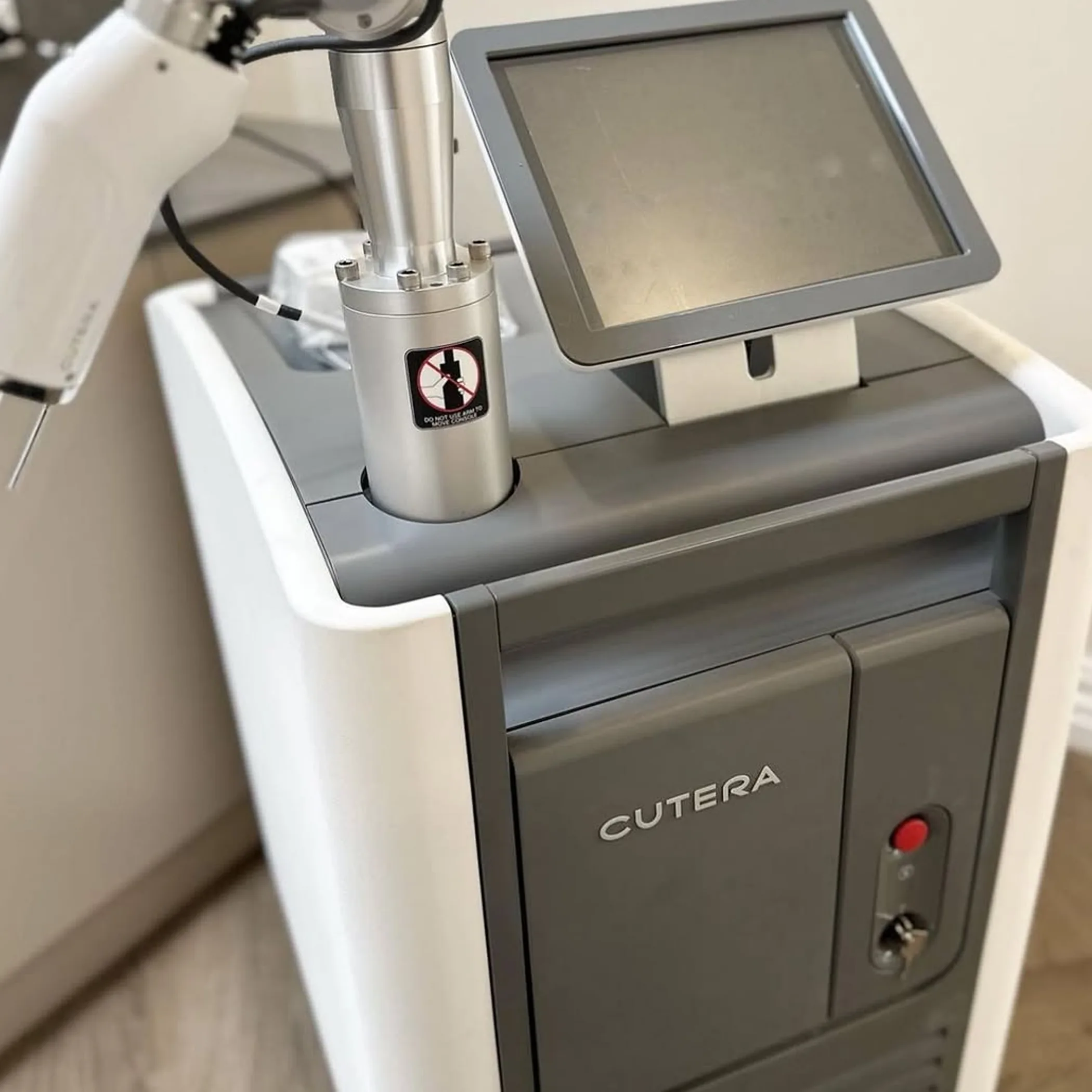
You will be second-guessing yourself at this point. The skin might look worse for a while and that is par for the course. Stronger sessions or places subject to more friction can lead to scabbing and blisters.
I would put it to you plainly: ugly is not synonymous with unsafe. The question is whether the healing is clean and dry, settling down and without any indication of an infection taking hold.
Blisters and Scabs
One should not be put in a spin by blisters or scabbing, they are all too common. Nor is a small blister any reason to make an issue of popping it. The rule is the same with scabs: leave them alone. Do not go about peeling at flaky skin or shaving over the area before it has properly settled.
The error most people make is in “assisting” a scab that appears ready to come off. In so doing you run the risk of textural changes and pigment disturbance. Better to let the skin do what it does.
Healing Timeline Expectations
| What Is Common | What To Do | What Is Not Normal |
| First 24 HoursRedness, tenderness, heat and swelling | Protect the dressing, rest and apply a cool compress | Heavy bleeding or pain that gets worse quickly |
| Days 2–4Some itchiness, tight skin and mild blistering | Cleanse gently and wear something loose; do not soak | Any pus, a foul smell or redness that is spreading |
| Days 5–10Flaking and dryness, scabs | Stick to your clinic ointment and resist the urge to pick | Fever or swelling on the up |
| Days 10–14+Lingering pinkness as the skin settles | If the skin is intact, be strict with sun protection | Open skin that does not close or a marked deterioration |
Sun Care in Australia
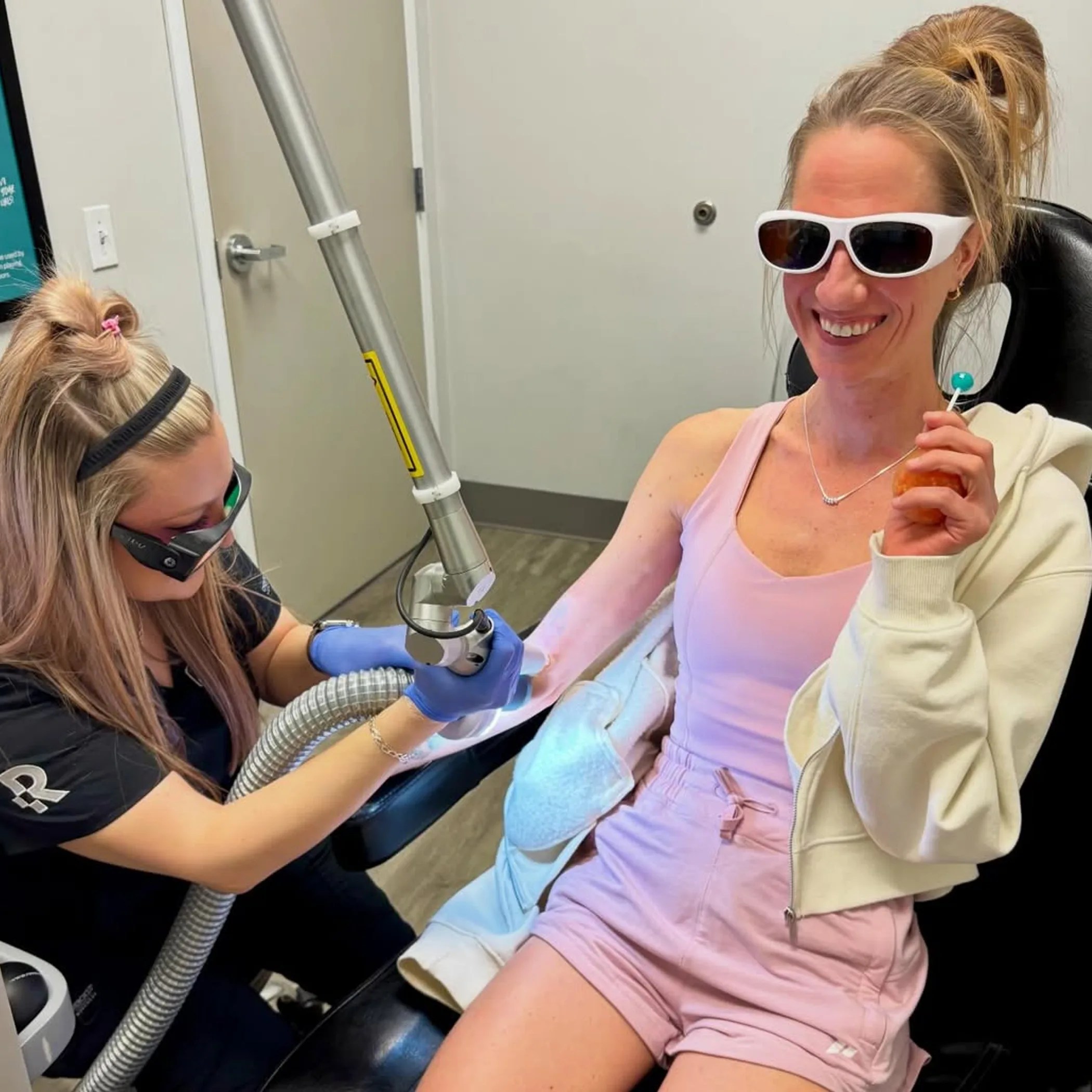
Many underestimate this part of the equation. In Australia, protecting a tattoo after removal is not optional. The UV here can be quite savage on a day that seems mild enough, and newly treated skin is open to irritation and pigmentation issues.
The SunSmart guidance from the Australian Government is to have some form of sun protection on when the UV Index hits 3, which for much of the year and country it will. The Cancer Council SunSmart UV safety guidance has the official UV safety advice if one wants to check.
When to put on sunscreen
Unless the clinician in charge of your treatment says otherwise, keep sunscreen off any broken or freshly scabbed skin. When the surface is whole again then SPF 30+ or 50+ should be part of the daily routine. Most Australians would sensibly opt for the 50+ given the levels of UV.
Then again, sun protection is not just a matter of sunscreen. Some find it more dependable to put on a loose covering and stay out of the direct sun than to rely on a dab of lotion.
Expectation Vs Reality
You may think a ten minute trip to the market is no big thing. But ten minutes of glare from the water or concrete in a car park is sufficient to upset healing skin. Be it a suburban netball court, the Gold Coast foreshore or Eastern Beach, the fact remains that fresh treatment and Australian UV do not mix.
Things to Steer Clear Of
Much of the advice on tattoo removal safety in Australia is about eschewing the everyday. A hot shower, the pool, a sauna, time in the gym, retinol and exfoliating acids will all get in the way of the skin barrier as it recovers. There is no need to be dramatic about it, simply put things on hold for a week or two. It is far less trouble than an infection or some lasting change in the pigmentation.
Heat, Water and Friction
Do not bathe or swim until the clinic has given the all clear and the area is closed. Pools and the ocean are fine in summer but not for skin that is open. Soaking in a bath will soften a scab and it will lift before its time.
Exercise can be a pitfall. Clinics will tell you to forgo it for the first while since the heat and sweat add to inflammation. If the tattoo is in a spot of high friction a pair of tight leggings on a brisk walk will be more of an annoyance than you might think.
Skincare
While the skin is mending, give the treatment site a wide berth with active skincare. No scrubs, perfumed body products, retinoids or anything with a suspiciously cheerful tingle. Plain care from the clinic is preferable. And if Bepanthen or the like is prescribed, a thin layer is enough, do not slather it on as though icing a cake. Overdoing it can leave some areas feeling soggy.
Side Effects
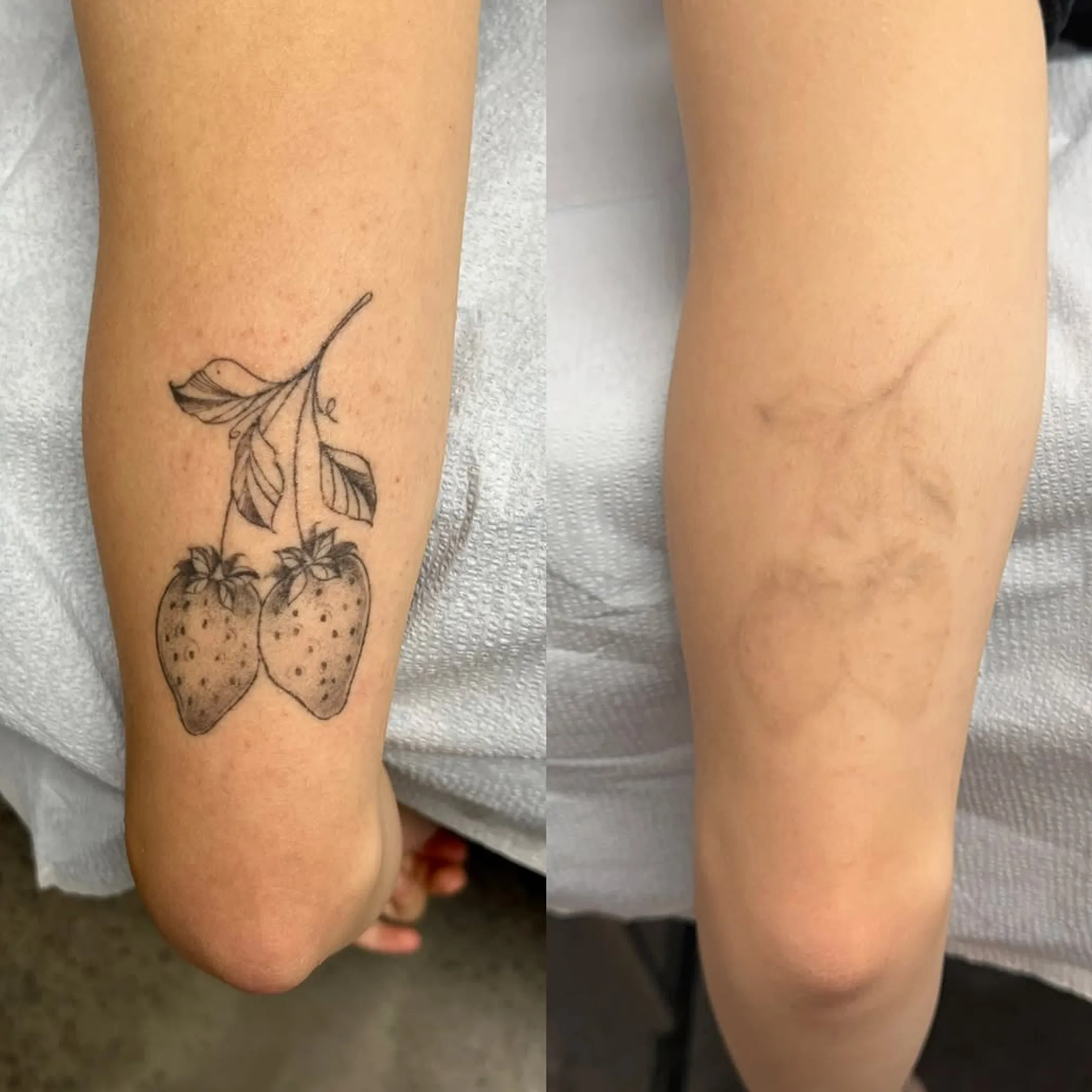
A side effect is not always an indication of trouble. Some are to be put up with, some are a nuisance but nothing you cannot handle, and others will require you to act quickly. The trick is to tell the difference so as not to be left at 11 pm in the dark with your phone torch on and in a tizzy.
For their part, clinics such as Removery, Eraze, Lazer Wizard, Pink Laser Clinics, Injex Clinics, SKINDUCED or Begone will have aftercare that covers these fundamentals; they are the practical measures that make the most difference to the outcome.
Swelling, Itch And Tenderness
You may have some swelling or itch. A cold compress will do for the former, provided it is applied in short order with something clean between it and the skin. Ice should not be put on directly. Numbing creams are out of the question unless the clinic gives the all clear.
Infection Signs To Watch
There is no point in being stoic here. Redness that is on the increase instead of abating, heat, pus, any odour, fever, red streaking from the site or severe pain are all signs of infection. Should this occur, do not delay in contacting your clinic and if the symptoms are of consequence, get medical attention.
Pigment And Texture
Tattoo removal can leave you with hypo- or hyperpigmentation, particularly on skin that has been in the sun or where aftercare has been lax. For a while the area will be a shade off from what is around it. While some of this will sort itself out, one would do well to be proactive rather than rely on hope. Steer clear of picking, limit UV and give the skin good care.
Saline Method
With saline there is a certain overlap with laser aftercare but it is not the same. The wound will respond differently and many clinicians prefer the area to be undisturbed and drier to let the scab do its job as the pigment is lifted. Too literal an adherence to laser protocol after a saline treatment could see you thwarting the healing pattern your clinician intends.
How Saline Aftercare Varies
A more pronounced scab and an area that appears crusted or dark for longer is entirely normal with the saline approach to cosmetic tattoo correction. Resist the urge to scrub or hasten matters. Ointments are to be eschewed unless instructed to use them, as are steam, sweat and the sun. There are variations in technique so the clinic’s own protocol should be heeded.
When A Call Is Warranted
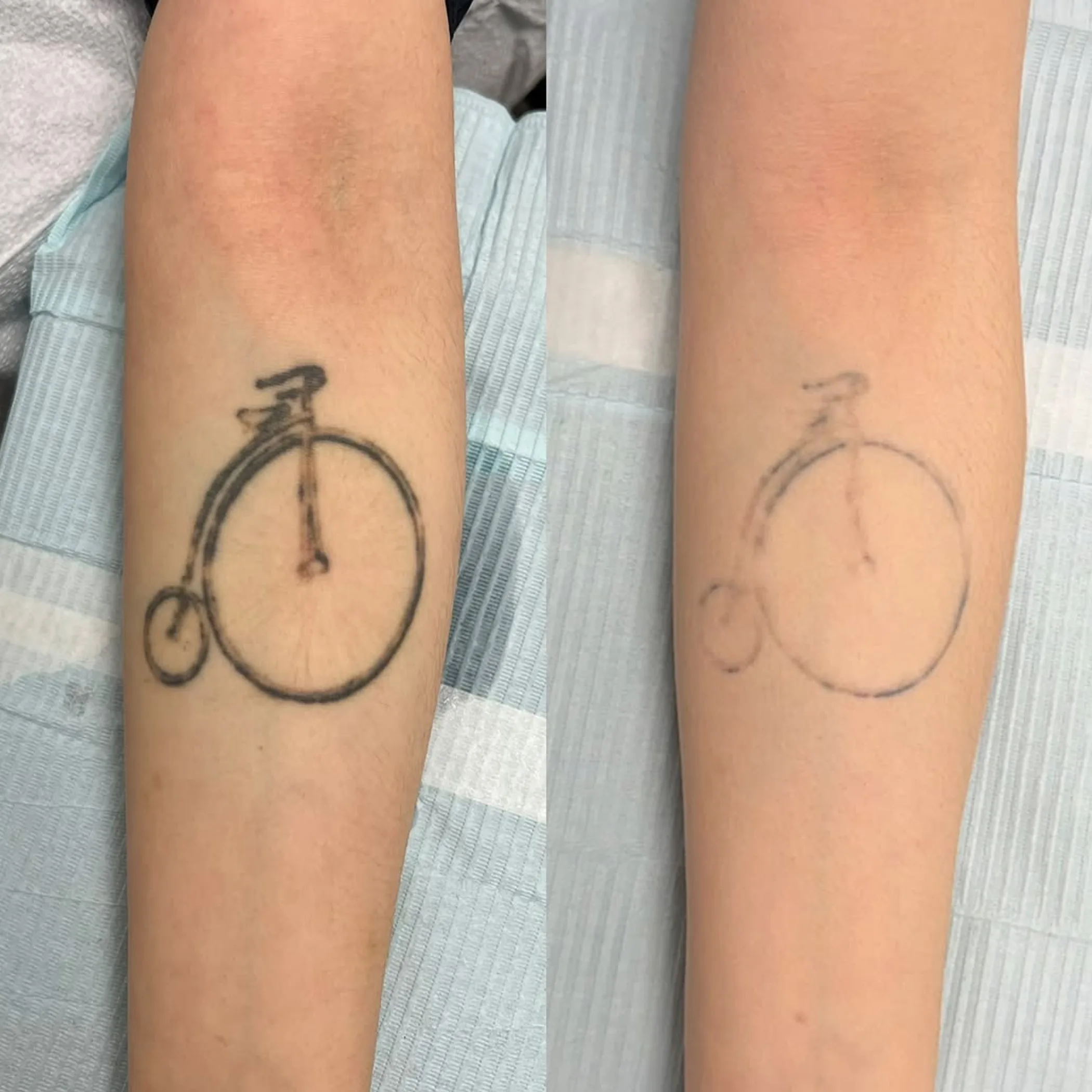
Do not ring in over every itch, but if things are not looking right, do get in touch. It is preferable to ask before a problem festers. As a rule of thumb, if by day three or four the symptoms are mounting or the area seems infected, take proper advice. A beauty clinic will advise on aftercare but a GP is the way to go for anything serious.
Call if blisters are large and worsening, or if redness is spreading past the site, or you have pus, chills or a bad smell. An open skin that has not closed in the time expected is another reason to reach out, as are concerns over scarring or marked pigmentation.
Preparation For What Comes Next
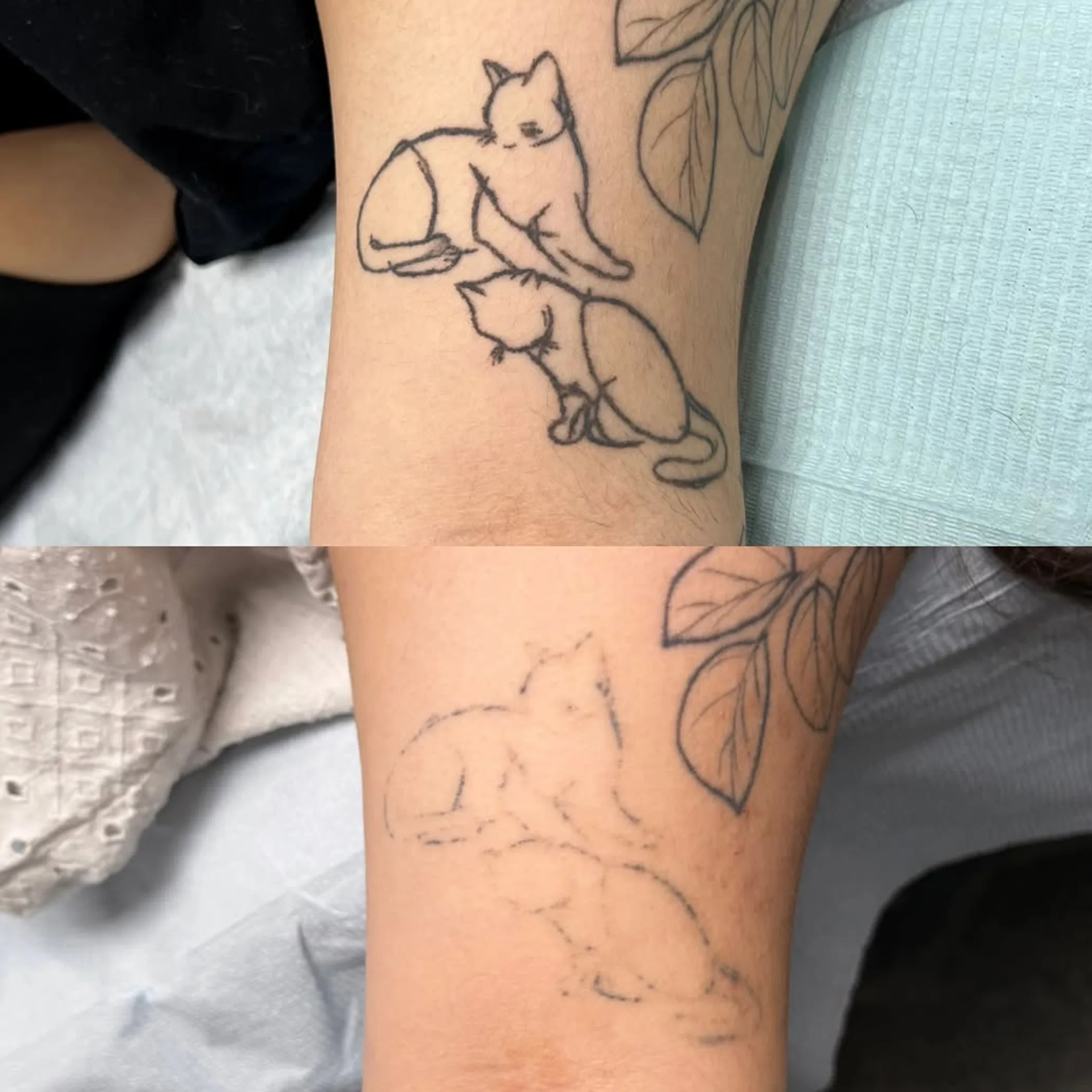
The state of your healing has a bearing on whether the next session can be done and how the skin will stand up to it in the long run. Those who want to hurry it along by tanning or booking in too soon are only doing themselves a disservice. Once healed it is a matter of discipline: shield the skin from UV, show some patience and let it reset. If you are a slow healer or react strongly, make sure your clinician is aware.
A Matter of Planning and Cost
One does not give enough credit to the logistics of it all. When your clinic is in a hive of activity such as inner-city Sydney, South Yarra or Fitzroy, make some plans for the journey home so you are not baking in the afternoon sun or have tight clothes chafing at the area. And if the work has been done on a leg or foot, factor in the parking, how far you will be put out by public transport with its attendant heat and friction, and what you will put on your feet.
Then there is the cost. Aftercare is not usually as much as the sessions themselves. You may put down AUD 15 to 40 for a good cleanser, an ointment like Bepanthen and non-stick dressings should the clinic suggest them; the figure is contingent on what is in your cupboard already. A small price to pay when poor aftercare can lead to a medical review or healing that is slower than you want.
Making Do With One Day Off
For those with a schedule as full as a sardine tin and but one day to recover, the first 24 hours are to be jealously guarded. Put on something loose, forgo any training, keep out of the sun and the heat. Should your occupation be outdoors or require heavy sweating and dust, you would be hard pressed to fit in tattoo removal in a week like that.
Is it for the uninitiated? In some respects no. A casual approach to aftercare, a life in the surf or an inability to forgo exercise makes summer treatment on exposed skin something of a trap. The cooler months of winter are less of a trial because they are devoid of the sweat and sun of everyday life.
Seren’s View
The machine and the method are only part of tattoo removal. What counts is how you get on with normal life once you have left the clinic. Here in Australia that means UV, the gym, beach excursions and garments that seem determined to rub where they should not.
Take it from me: be more of a stickler for the sun than you feel called to be, do not pick at it, let the skin be and adhere to the aftercare protocol laid down by your clinic. Present-you might be put out to miss the pool but your skin later on will be grateful.
Frequently Asked Questions

Safety after laser tattoo removal
Observe the basics: cleanliness, no swimming or baths, nothing to cause friction and use of products the clinic has given its approval. Give up exercise while it is in the initial stages of healing and shield the skin from UV once closed. Be on the lookout for pus, redness that is spreading, fever or pain on the increase, all indicators of infection.
Things I would have liked to know beforehand
How much bearing aftercare has on the outcome. People are often surprised. The treatment is only half of it. Blisters and scabbing can make for a messy healing process and, unless you are serious about sun protection, the Australian sun has a way of thwarting your efforts.
What is off limits?
Scrubbing, saunas, swimming, popping blisters or picking at scabs. Nor should you go back to any exercise that will make you sweat or put active skincare on it. Just because it appears dry is no guarantee of a complete healing.
Risks of the procedure
There is the possibility of scarring, blistering, infection or pigmentation running to the lighter or darker side. How well you do with your laser or saline aftercare, the location of the tattoo, the colours involved and the strength of the treatment will all play a part.
Is Bepanthen the cream of the crop for aftercare?
Not necessarily. While some clinics will put it forward, it is not the answer for every type of treatment or phase of healing. Some laser or saline protocols call for a thinner application or less moisture in general. Go with what your clinician has put in place.
