One could argue that for a commercial tower, there are ways of accessing the façade for maintenance that are less of an interruption and in some respects safer than putting up traditional scaffolding. Be it rope access, Building Maintenance Units (BMUs), permanent davit systems, monorail or swing stages, each has its place depending on the design of the tower, what is being done and the budget.
When you are a building owner, facility manager or contractor the decision is not made in a vacuum. You have to factor in the height, how often one needs to get up there, pedestrian traffic, tenant privacy, the intricacy of the façade and how much equipment has to be put down on the ground. I am of the view that as Seren Cox one should ask the practical question: which way will put your technicians at the work face with the least amount of fuss and without having people puttering about a temporary structure?
The Range of Specialised Methods
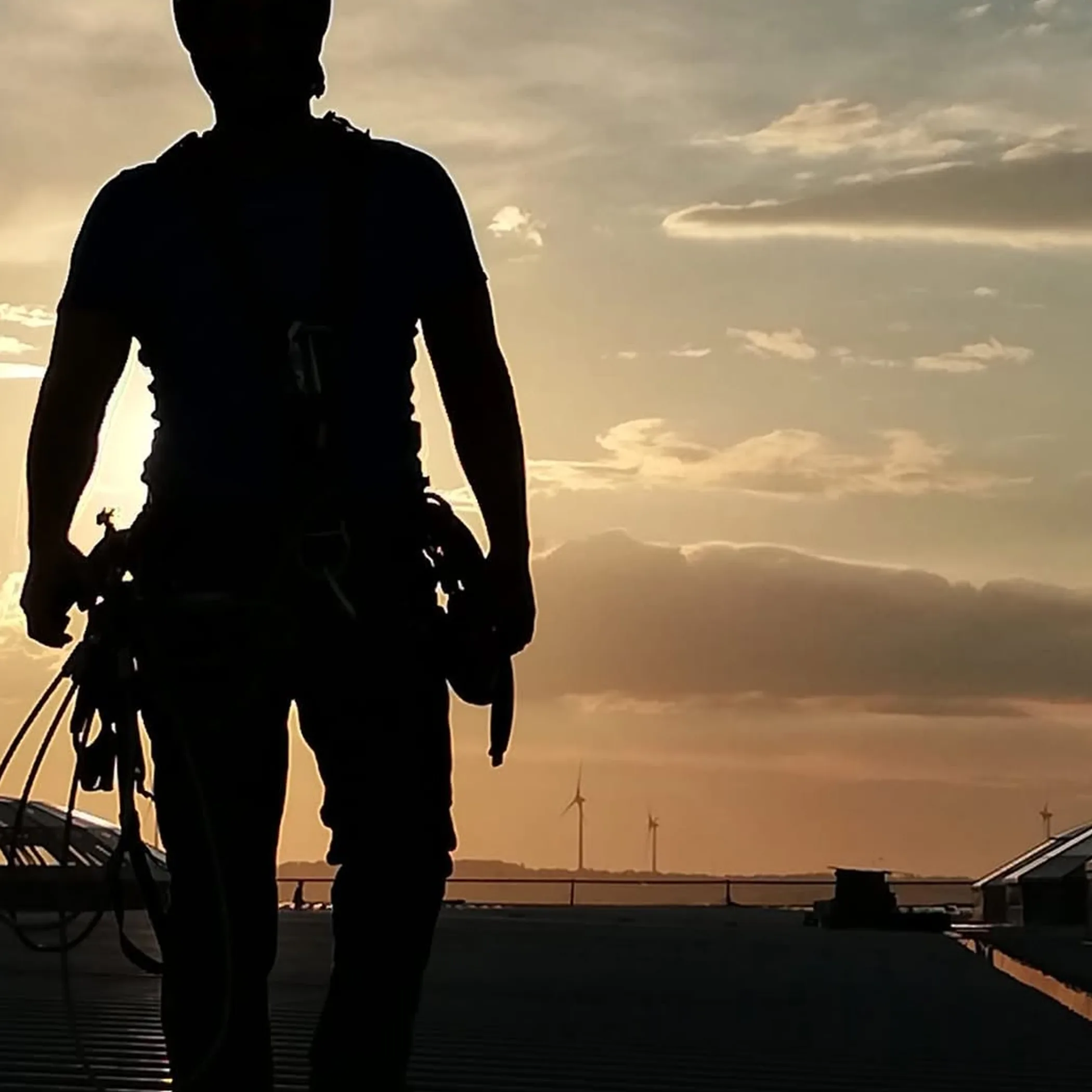
Technicians need a controlled way to get to the more elevated or hard to reach parts of a commercial tower; specialist access systems provide that. Whether it is for structural inspection, sealant and signage work, high-rise window cleaning or any number of façade repairs, advanced building wash can benefit from these systems.
You will find industrial rope access, BMU and permanent davit systems, monorail access, swing stages and of course scaffolding. But do not assume any one of them is the answer. A square office block with a straightforward roof edge is not going to call for the same thing as a curved glass tower with recessed façades.
Dealing With Difficult Areas by Rope
On a commercial building, rope access means trained technicians abseiling or making their position beside the façade with harnesses and the like for height safety, all from a working line with an independent back up. It is well suited to overhanging or glazed atriums, soffits, narrow gaps and other complexities of the façade where a platform would not sit right. The compact nature of the equipment is the appeal; it allows for a quick change of work face.
Then There Are the Mechanical Options
A BMU is a cradle or platform of sorts, permanently in place to run along a track on the roof, something you see on towers with regular window cleaning to do. Davit systems are fixed to the roof by arms or sockets to hold your rope access gear or a suspended platform. And for reliable access to a glazed elevation a monorail system can be put in. They take some forethought in the design or refurbishment stage but will give you efficient access for years to come.
Why Opt for Access Over Scaffolding
It is not simply a matter of height when choosing between rope and scaffolding. More to it is the disruption the building can stand, the space available below and the extent of the façade to be covered.
Scaffolding has its uses on a broad elevation for heavy duty repair or anything of long duration where a stable deck is called for. Yet it puts down a large footprint and limits movement and is still there once the novelty is gone.
| Access Method | Best Suited To | Main Benefit | Important Limitation |
|---|---|---|---|
| Industrial rope access | Inspections, spot repairs, difficult façades | Rapid mobilisation, little setup | Weather, load and anchor quality are limiting factors |
| BMU systems | Routine servicing and windows | Access is repeatable on planned elevations | Demands permanent infrastructure and upkeep |
| Permanent davit systems | Suspended and planned work | Good roof-level access | Trained users and exclusion zones are a must |
| Monorail access systems | Glazed façades, complex roof routes | Movement is controlled on a set path | Not flexible beyond the route installed |
| Scaffolding | Extended construction, major repairs | Stable for materials and work | Time consuming to install, takes up ground space |
Do not expect to put an honest universal percentage on the savings. Between the tower height, permits, labour, equipment hire, weather and the elevations in play, project costs will differ. Look at the total cost of the project rather than the daily rate.
In Terms of Lower Equipment and Maintenance Costs
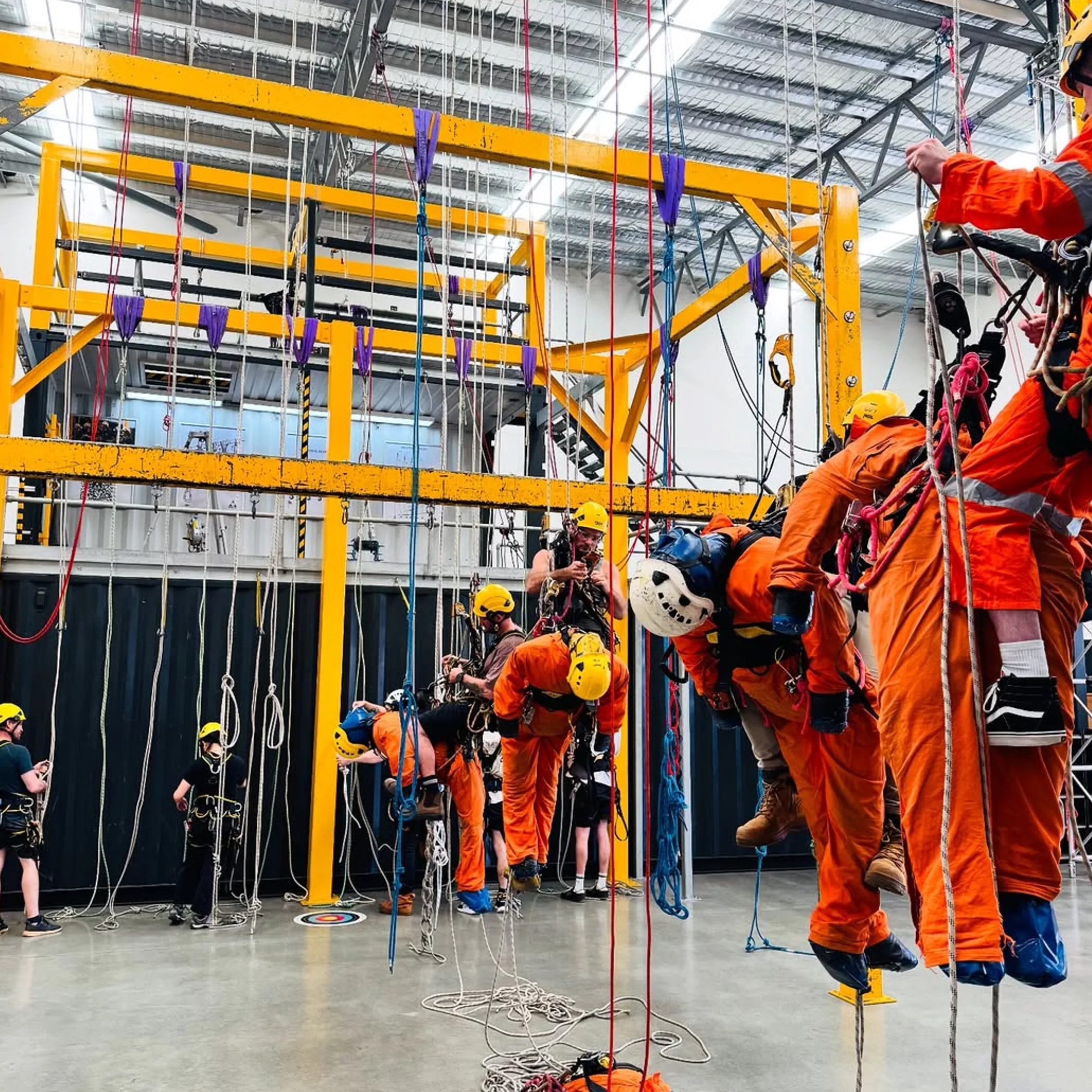
In terms of lower equipment and maintenance costs, specialised access is more efficient since the contractor is at his tools instead of breaking down and reassembling something temporary. That is not to say rope access is invariably the cheaper option; a complicated rescue plan or an anchor job can put a premium on it before you start. But for a team to go and replace a few panels or check the joints on the façade, there is no need to put a scaffold envelope around the whole tower. Rope access will save on the transport and storage of equipment and the labour to install it as well as control of traffic on the ground.
The Whole Job: A Comparison
One should request a full cost comparison that takes in mobilisation, the engineering side of things, permits and traffic management as well as exclusion zones, equipment and daily set up and pack-down, not to mention waste removal. An access method with a low price tag is no bargain if it brings on repeated delays or demands more equipment part way into the project.
Where permanent systems are concerned, lifecycle cost has to be factored in. BMUs, davits and monorails require servicing, inspection and someone who knows how to operate them; their worth is enhanced by regular use for window cleaning, façade maintenance and the like.
Setup and Completion in Short Order
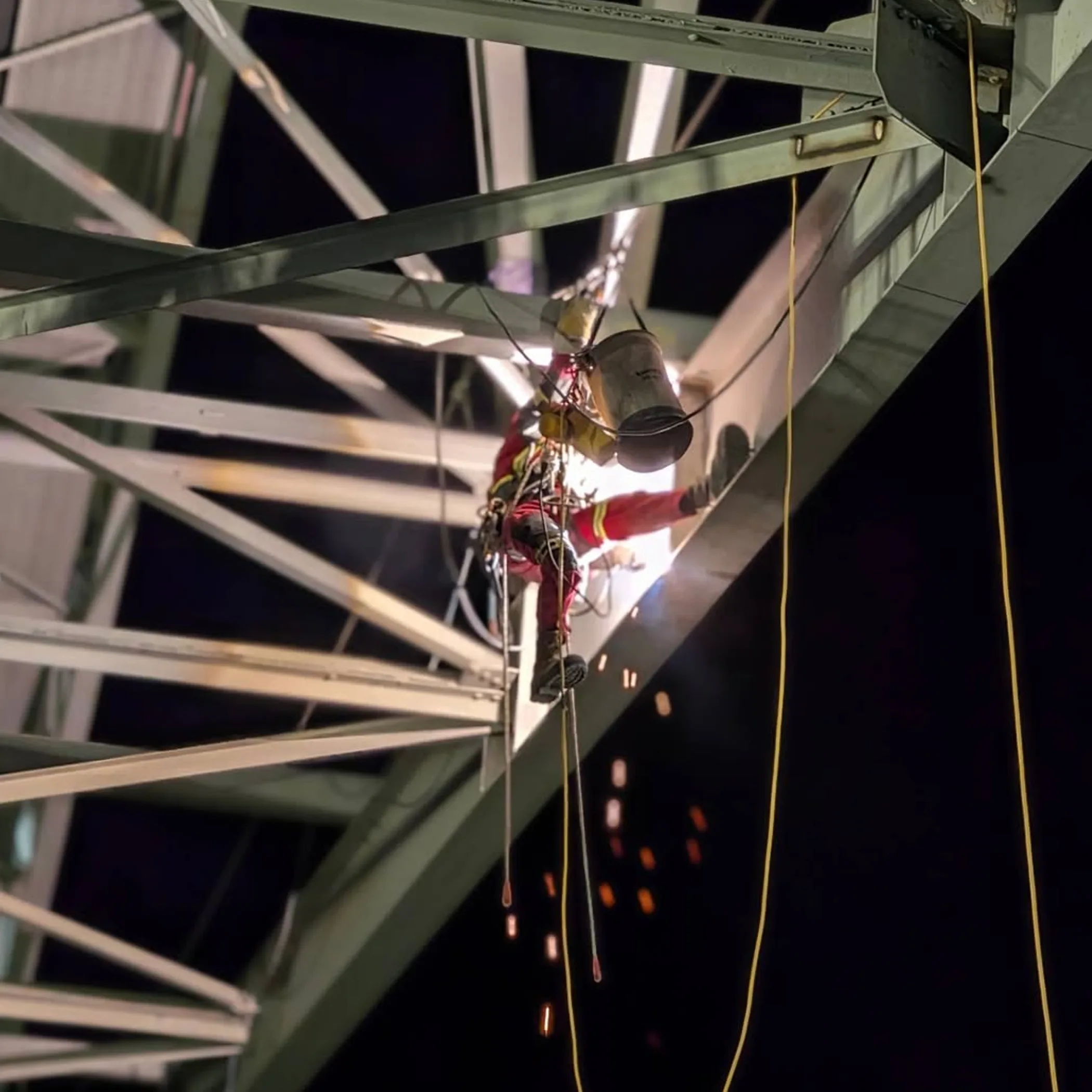
A tower with a limited repair window will benefit from the minimal setup and quick mobilisation these solutions offer. Provided site rules and safe lifting are in place, rope access technicians can put their equipment in position via the building’s normal routes.
Then again, conditions dictate the schedule. Even a minor inspection can take a day to plan, verify anchors, set up on the roof and put ground controls in before any work is done and you pack down. Add in wind, rain, heat, poor visibility or an active public frontage and the work window shrinks. Do not be taken in by anyone putting forward a spotless schedule for height work as if there were no variables.
Making The Most Of Your Work Window
Planning should cover everything from the point of roof access to the return. The contractor has to be able to tell you how the technicians get to the roof, where the anchors are, what loading dock or service lift is available, how the public is kept at bay and how equipment is to be removed from the site.
In Melbourne, Sydney, Perth or Brisbane one has to contend with council dictates, street permits, pedestrian peaks and wind. You will not simply park out front; equipment might have to come through a loading dock or be delivered when business is closed.
Occupants Face Less Disruption
Tenants, visitors and those on foot are less inconvenienced by commercial access solutions given they do not command as much room at street level. There is less noise near the cafés and reception and fewer sidewalk closures to be had with a smaller footprint on the ground. Rope access is also better for tenant privacy since there is no need to put up a scaffold outside the offices for weeks on end. That said, building managers would do well to make occupants aware of any changes to access, noise or windows.
Pedestrian Safety
This is paramount. Exclusion zones, spotters, signage and a clear line for emergency response are still called for with a compact method. One must control materials and tools and keep an eye on the area below. It is a mistake to think “small equipment” equates to “small risk”. A spanner coming off a tower is indifferent to how presentable the access system is. The site plan has to allow for the public, deliveries, wind and emergency vehicles.
Dealing With The Façade
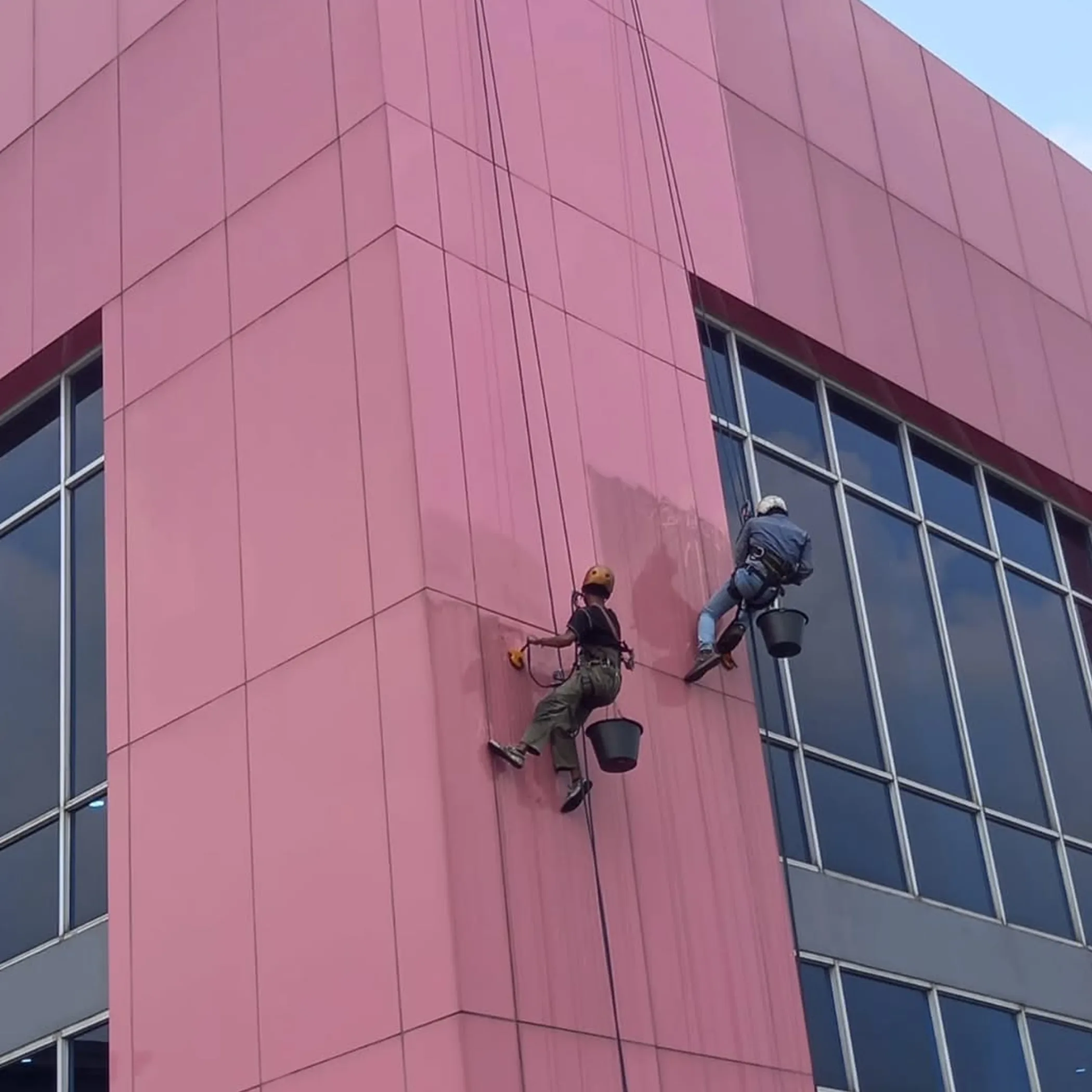
Specialist systems have the advantage of flexibility. The working angles on a modern tower can be awkward thanks to overhangs, curved glazing, fins, atriums and deep reveals. Rope access allows a technician to move about and get at places a vertical platform cannot. A BMU or monorail is more of a sure thing on a building with an engineered route. Scaffolding is good for coverage but will want some design input to cope with every geometric change.
Materials matter too for repairs. Rope access is fine for light sealant and inspection tools but a hoist or scaffold deck is called for with heavy panels or demolition.
Risk Control And Compliance
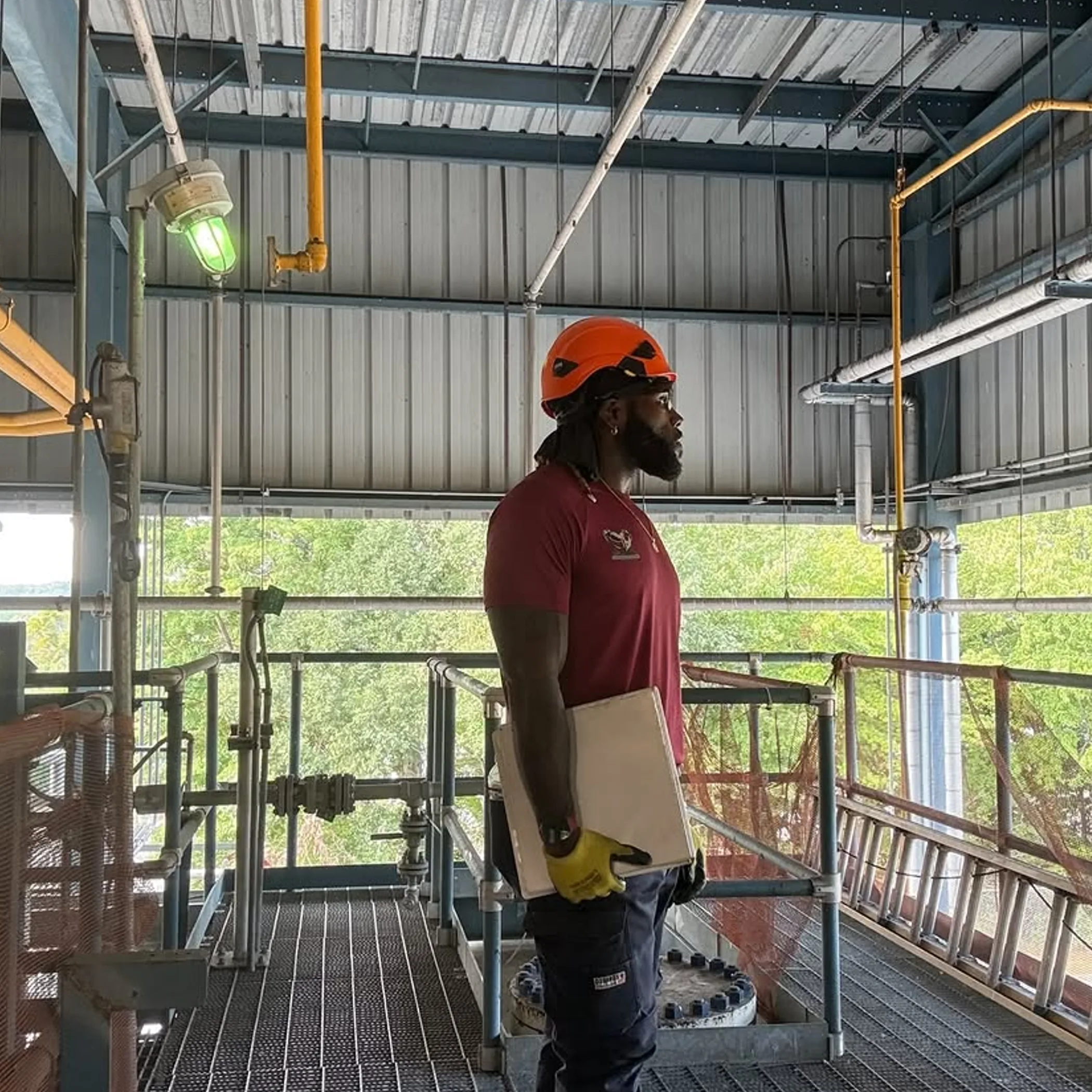
You have competent people, sound anchors, a rescue plan and a risk assessment on paper for rope access to be anything other than a case of clipping on and going over the edge. Dual-rope systems give independent protection by keeping the backup and working line apart. Equipment is to be used in line with the task and workplace rules. While a contractor may have IRATA or SPRAT qualifications, owners should check for current competency and experience.
There is national guidance from Safe Work Australia on working at heights. But state and territory duties can apply so the team ought to check what is required for the tower in question.
A Checklist For Practicality
- Put together a rescue plan and a risk assessment for the task at hand.
- Verify the access points, roof edges, anchors and structure of the building.
- One should make a point of checking the wind, rain, heat, lightning and visibility in the course of one’s work as well as prior to it.
- Put in place exclusion zones for the benefit of any pedestrians, vehicles, deliveries or tenants.
- See that equipment has been inspected and that technicians are qualified and under supervision.
- There is also the matter of coordinating with security on access, of arranging lifts and loading docks, emergency routes and putting out notices to tenants.
A frequent error is to pick an access method without first coming to terms with the work at hand. Begin with the task itself, its duration, the loads, public interface and façade geometry. From there you can put in a system to manage the risks, not add to them.
The Right Tower System
What makes for the best access will be dictated by what the building needs now and how it is to be maintained down the line. If a tower is to have its windows done every month a monorail or BMU is warranted. Permanent davits or industrial rope access will do for a building where inspections are infrequent. Put in scaffolding or suspended platforms for a large scale façade replacement.
Have your contractors put the method in plain terms. Want to know the assumptions made about roof access, the rescue provisions, weather limits, daily sequence, setup and proposed route? Ask. Should their account read like something a robot has put in a tender document, put them through a site walk-through.
Match The Task
With an inspection to be done in a day, make sure you are getting to the elevations most likely to cause complaint or be exposed and know what evidence is being gathered. On a high-rise for window cleaning it is a question of water management, talking to tenants and having repeatable routes. For repairs to the façade you want to handle materials and position yourself stably so as to let the work cure undisturbed.
In the case of an advanced building wash where ledges, glazing and other features would make a conventional platform unwieldy, rope access is of some advantage. But you still need the right weather, a plan for the site and able technicians.
Untrained novices should not be using these methods. It is not for a building owner to regard a harness or rope kit as a do-it-yourself option; access equipment is part of a controlled system of work, not an end run around planning.
Frequently Asked Questions
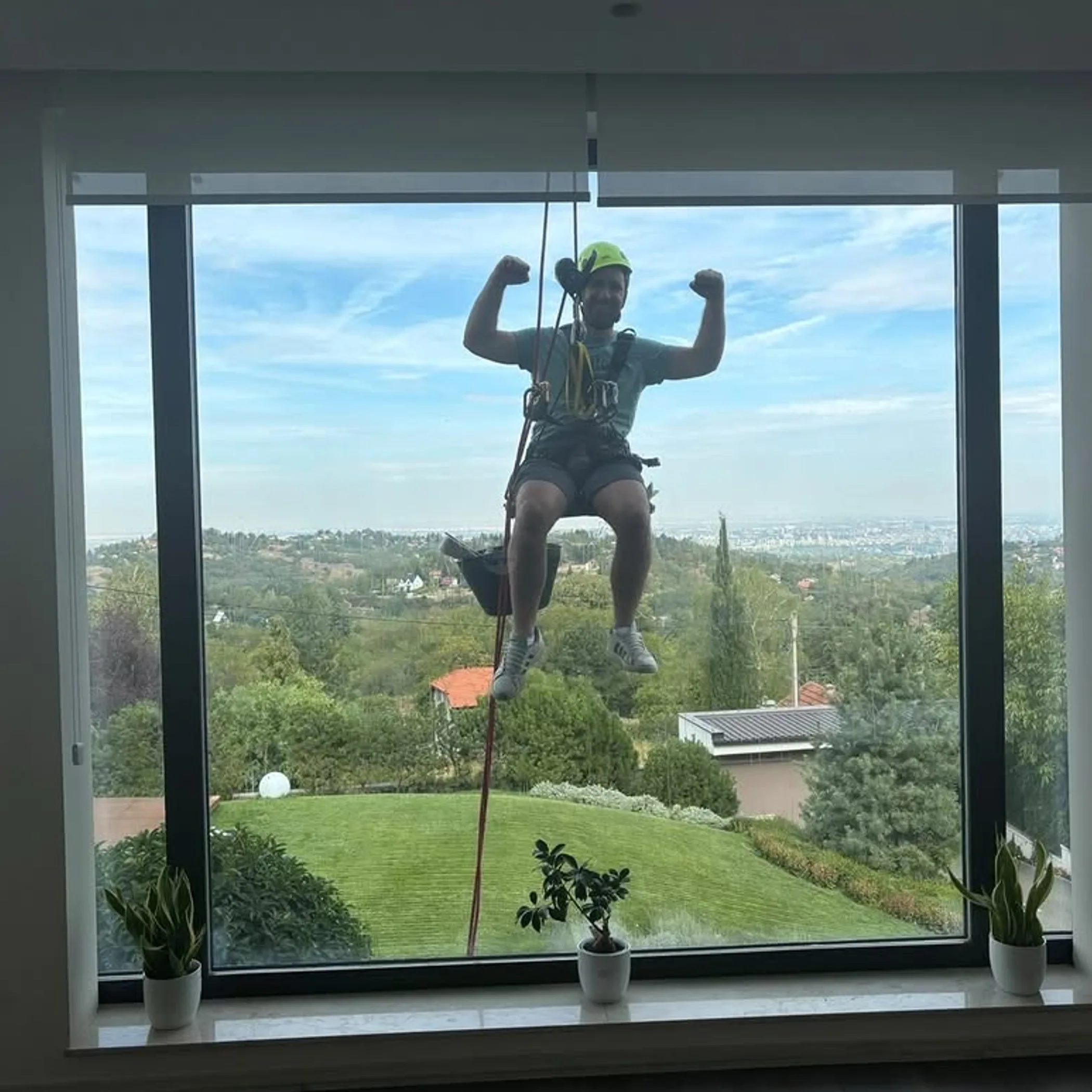
Before giving the nod to commercial tower maintenance a building manager will typically put forward the following questions. While the answers here are short and to the point, the decision is best made after a risk assessment has been documented and the site seen to.
Rope Access: What Does A Commercial Building Gain?
For one thing, less disruption at ground level and minimal setup. It is a good way to get at complex façades quickly for an inspection or some targeted repair, or to clean windows on a high-rise when a temporary structure is overkill.
Is It Safer Than Scaffolding?
Not of itself. Rope access may take away some of the exposure and ground hazards of installation, but then scaffolding gives you a broad and stable area to work for a long time. You have to look at the design, the workers, the equipment, the weather and how the site is managed.
Cheaper?
For a short job it can be, in that you save on the costs of hiring, storage and taking things down. But for extensive repairs where you need to store material and have a stable platform for the long haul, scaffolding is better value. Look at the project as a whole rather than the hire cost for access.
How Is Disruption Kept To A Minimum?
There is less ground equipment to contend with and fewer visual obstructions or blocked entries outside the offices. Contractors will of course have to put in place pedestrian controls, safe delivery and the necessary tenant notices and exclusion zones.
High-Rise Façade Maintenance: Which Way To Go?
You have to consider the loads, the frequency, the roof infrastructure and the public environment. Scaffolding for broad construction work, monorails for a set route, davits for planned suspended access, BMUs for the routine and rope access for anything irregular or targeted.
The Use Of BMUs, Davits And Monorails
These systems are there to give you engineered support or a route for the kind of recurring maintenance a tower will see in its operating life, be it for repairs, an inspection or to clean the windows.
Maintenance And Access
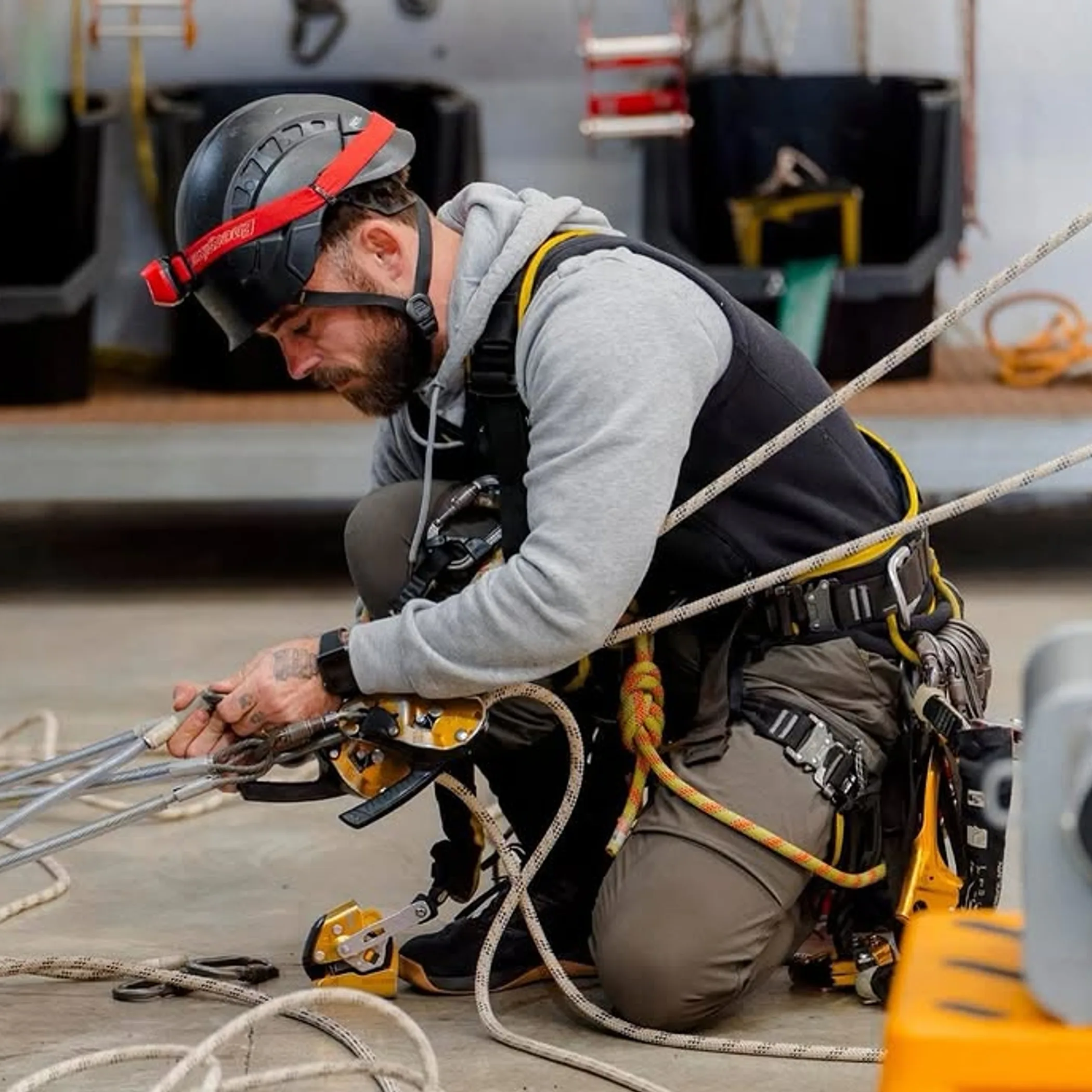
When specialised access for a commercial tower is viewed as integral to the maintenance strategy and not an afterthought, it works much better. The system should be such that the technician can concentrate on the façade and not the logistics, making for safer work and less of a disturbance.
Look at the building and those below, and the work to be done. Then measure rope access, swing stages, BMUs, davits and the rest against what is actually on site. In that way the access for a commercial building is practical and cost effective and safe, and one does not have the footpath packed in like sardines.
