Make A Detour For The Wildlife
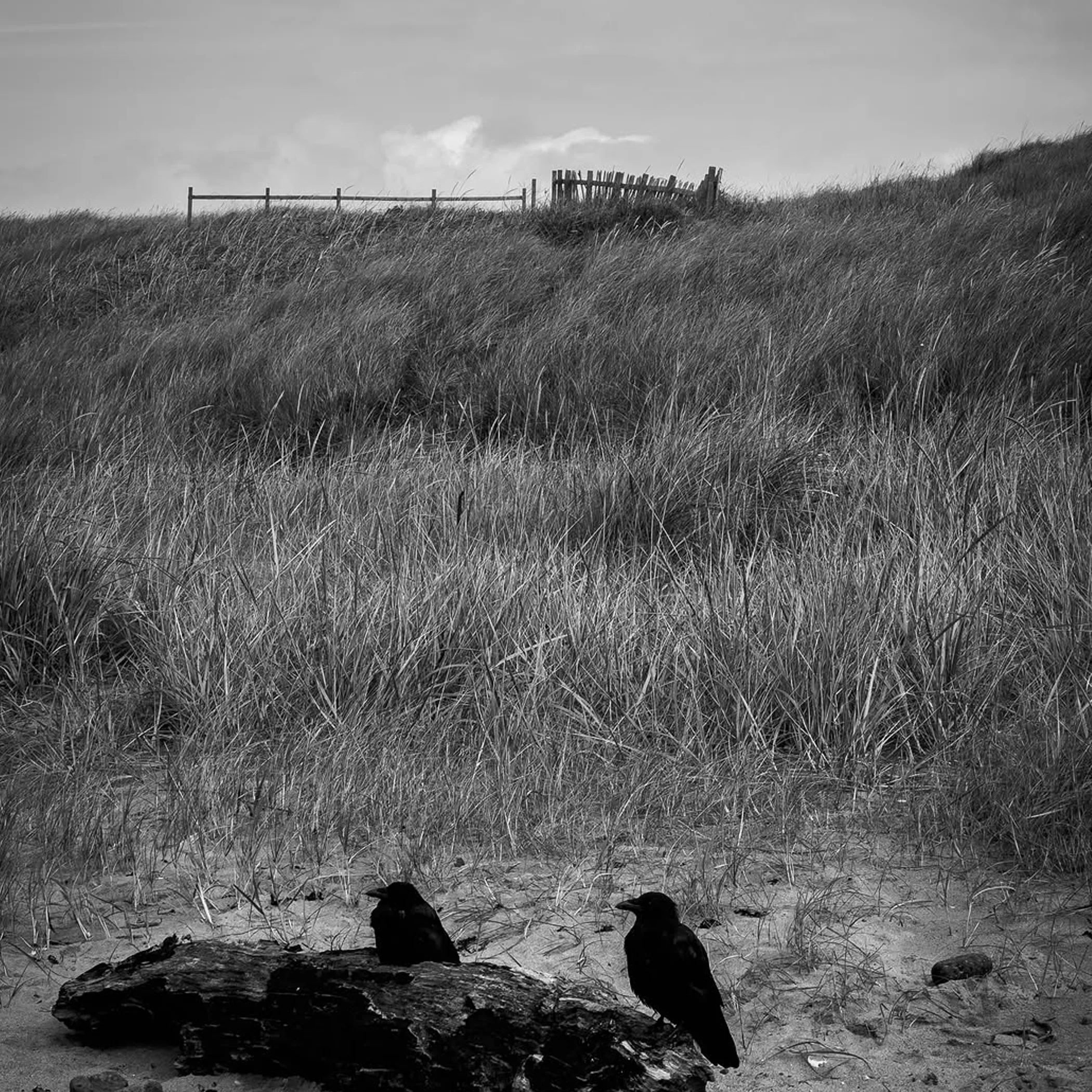
One is best served to slow down with a pair of binoculars when out on Victorian coastal paths for wildlife; after all, nature will not honour your booking. The coastline of Victoria has its ways of presenting you with Australian fur seals, echidnas, little penguins, koalas and wallabies as well as coastal seabirds from the vantage of a marked track or viewing platform.
Seren Cox has put together this guide to the more rewarding of Victoria’s coastal walks for wildlife, Cape Bridgewater and Phillip Island among them, as are parts of the Great Ocean Walk, the Great Otway National Park and Discovery Bay Coastal Park. You will come across sea cliffs, manna gums and coastal scrub. The Great Ocean Walk is a stunning ocean cliff walk. And the odd time a magpie of some confidence will be the star of the show, sizing up your footwear.
What To Expect
There are no guarantees when it comes to sightings, yet a trip along the coast will put several opportunities in front of you. An elevated lookout is where you will find the seals most easily; koalas will be in their eucalyptus woodland; if you make no noise and look to the edges of the track you have a better chance with wallabies and echidnas.
Then there is the matter of timing and distance which tends to catch the traveller off guard. Put in twice the time on a short boardwalk for a photograph, a change in the weather or to let the person in front who has chanced upon a lizard get by.
The Kind Of Walker These Are For
A day out in the open is what these routes are made for, whether one is a photographer, birdwatcher, casual walker or a family with older children. Some are gentle and accessible, but an exposed sea-cliff can be a trial for those with limited fitness or balance, being as it is windy and slippery at times.
An inexperienced walker would do well to try a short boardwalk or marked lookout before any longer route. Those with more experience should still be sure to check on tides, local conditions and the weather prior to departure, especially if there has been hard rain or strong winds off the coast.
Top Coastal Paths
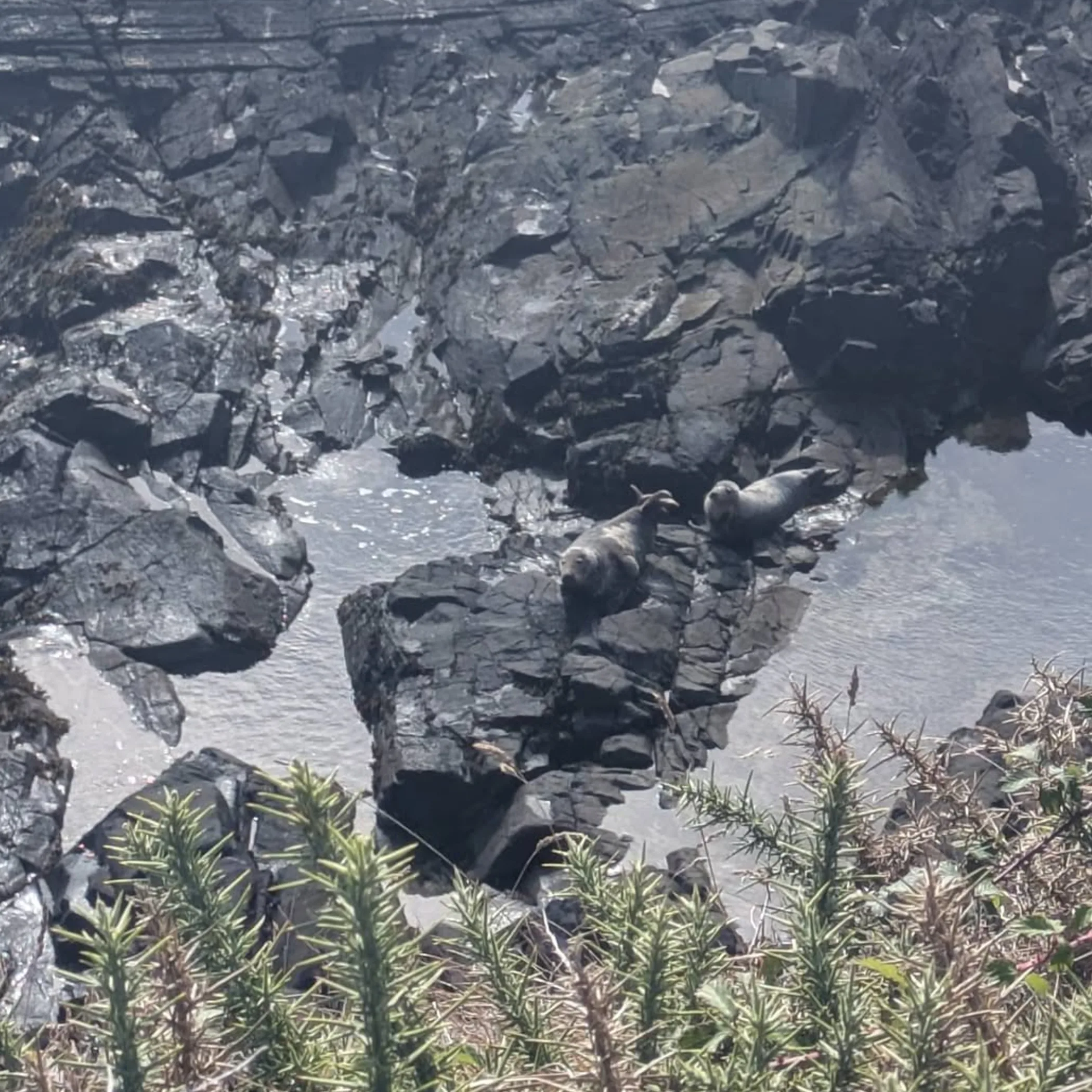
You will not find a single best walk in Victoria since the encounter is different in every area. Go to Cape Bridgewater for the seals, the Great Otway for its woodland species, or Phillip Island for a mix of seals, little penguins and seabirds.
The following table is a useful way to plan. Do not read too much into the distances given, they are only approximate and will be subject to the section you pick, any detours or closures.
| Area | Approximate Walking Scale | Likely Wildlife | Best For |
|---|---|---|---|
| Cape Bridgewater Seal Colony Walk | Several kilometres return (access and view point dependent) | Australian fur seals, coastal seabirds | Sea cliffs and seal viewing |
| Discovery Bay Coastal Park | From short lookouts to longer dune and beach | Wallabies, coastal reptiles, seabirds | Scenery on the quiet side |
| Great Otway National Park | Forest walks of varying length up to multi-hour | Koalas, echidnas, wallabies and birds | Woodland |
| Phillip Island Coastal Paths | Boardwalks and a few kilometres of coast | Seals, little penguins and seabirds | First-timers and families |
| Great Ocean Walk | 100 km or so for the whole of it | Forest wildlife, seals, wallabies and seabirds | Multi-day |
Pick According To What You Want To See
If the goal is a seal colony walk then Cape Bridgewater is where Victoria travellers ought to head. As for koalas, leave it to the forest and manna gum habitat of the Great Otway National Park and the coastal roads; do not anticipate finding one at every ocean lookout.
For a simple way to have a number of wildlife experiences on a well-marked path, the coastal walks of Phillip Island are hard to beat. There is more to be had from the Great Ocean Road but it is over a long stretch of coast and calls for a bit more in the way of planning.
Seals And Cliffs At Cape Bridgewater
Near Portland the Cape Bridgewater Seal Colony Walk is about as memorable an outing as you will have in Victoria. It is a case of looking from a proper distance at the Australian and long-nosed fur seals that make up the colony while taking in the ocean views and the exposure of the sea cliffs.
Reality often differs from expectation here. The seals might be nothing but pale dots on the rocks below rather than posing for you beside the track. With binoculars in hand you can appreciate a seal left undisturbed at a distance, which is preferable to one you have put under pressure.
To Get There
The road from Portland will bring you to Cape Bridgewater through some remote country. Factor in the wind, parking and the stops you will want to make for viewing; you will need to put aside more time than the walking distance alone would have you think. A good pair of shoes with some grip is a must, as is having water to hand and something for the sun and an extra layer. You will find the wind has a bite to it up by the cliffs, even if Portland has been mild. Make use of the viewing areas put in place and stick to the tracks; there is no need to put yourself on unstable ground in the name of a photograph.
What Catches People Out
People have a habit of making the walk into a quick roadside affair, which is the one mistake to avoid. The ground is not always level, the weather has a way of turning and you may have to be patient to see anything of note. I was under the impression my camera was more important than a rain jacket when I first put together coastal wildlife itineraries. An optimistic view: a camera does nothing to ward off the cold or a sunburn, nor will it be of any help when a crosswind makes short work of your hat and what should be a leisurely look out.
Otways Koalas And Bush Wildlife
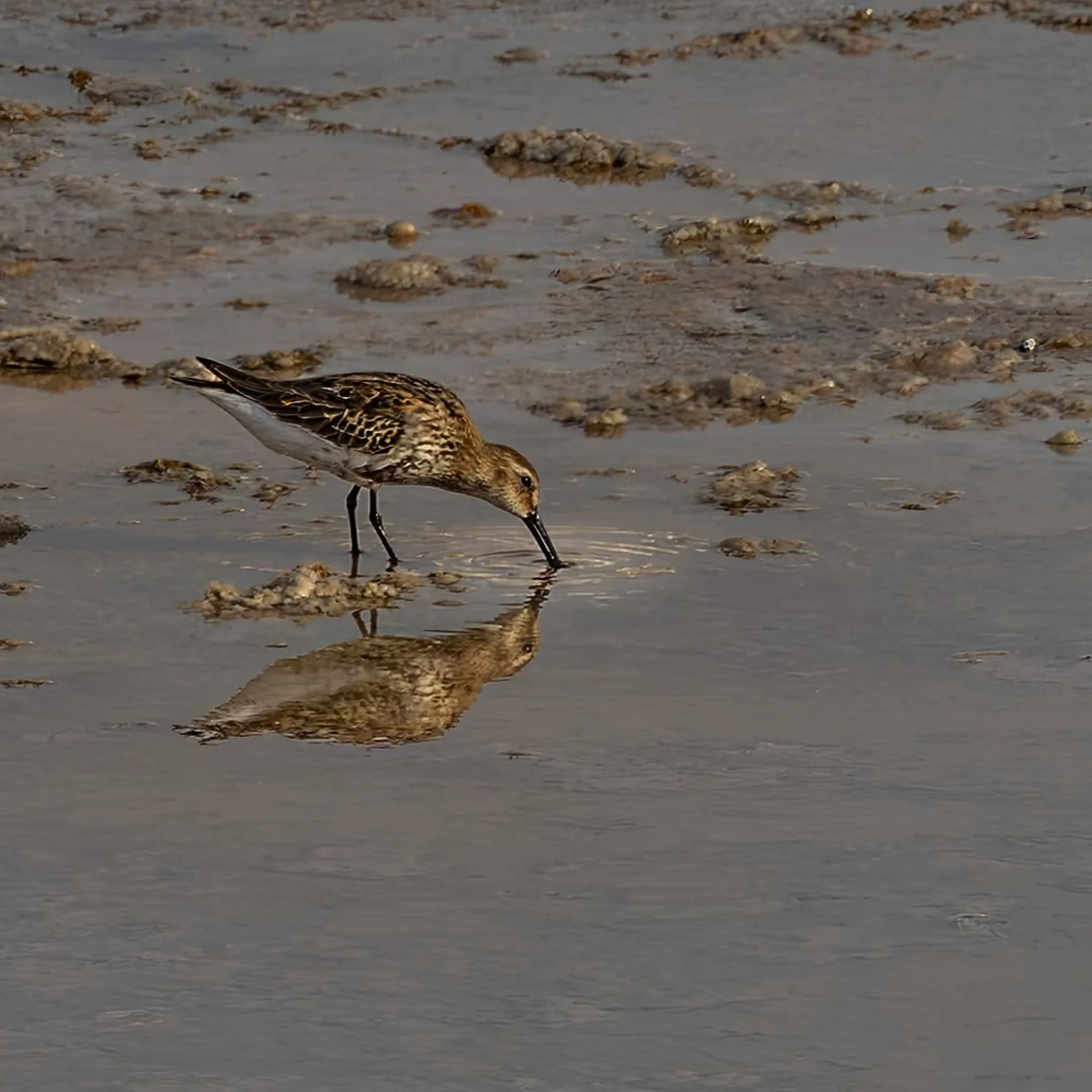
The Great Otway National Park puts a different spin on wildlife spotting for those from Victoria. You are moving through ferns, eucalyptus and manna gums that line the tracks, or coastal scrub and forest, as opposed to looking over open water.
One can come across koalas, echidnas and wallabies in the forest but it is well worth observing with care. Be on the lookout for wallabies in a quiet clearing or signs of an echidna in the leaf litter by the path, do not disturb the ground. For a koala, you have to put your eye to the canopy.
Koala Spotting Done Right
Some patience and a methodical approach is called for. Start with the lower branches and make your way up the canopy for the grey fur, the ears and the particular stillness of an animal putting in no more effort than it needs. A crowd at the base of a tree is not infallible evidence of a koala; they may be after a bird or have lost their hat. Keep noise to a minimum and do not loiter under an animal.
Short Walks Or Longer Tracks
For those with part of a day or children in tow, a short walk in the forest is fine. More in the way of food, water and a sensible plan for getting back is needed for the longer stretches of the Great Ocean Walk.
Most would have you believe a coastal route is flat. After a bit of rain the Great Ocean Walk and other Otways paths are another matter altogether with their steps, mud, roots and slick surfaces. What seems straightforward on paper is not so once you are on the ground.
Phillip Island Penguins And Seabirds
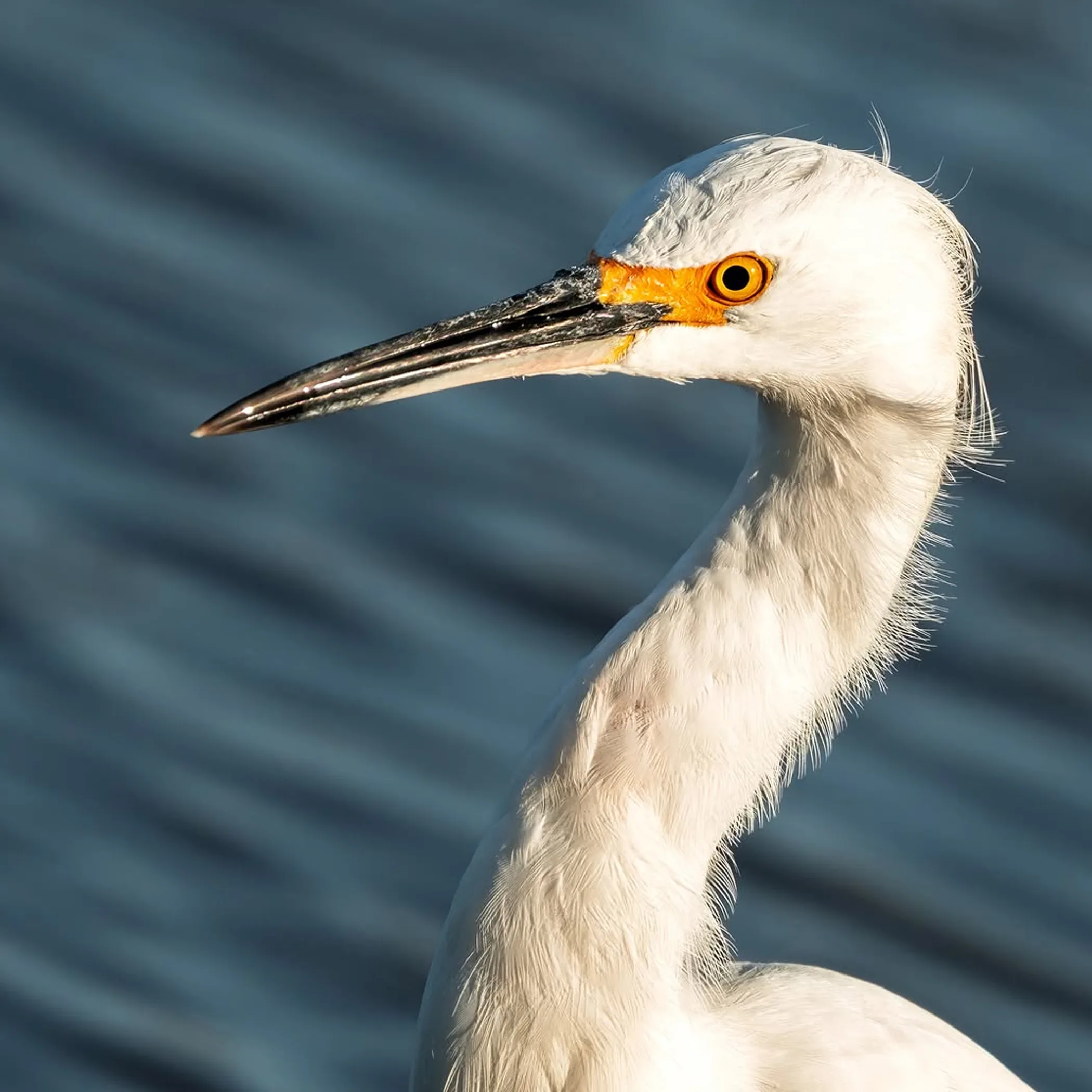
An easy way to get your coastal wildlife fix in Victoria is Phillip Island. At the Nobbies and Seal Rocks there are marked paths and platforms from which to take in the rugged habitat, seabirds and Australian fur seals without having to go deep into the more fragile parts of the island.
Then there are the little penguins. They are small and fast and have no desire to put on a show for a phone; best to see them in the designated spots and via the proper channels.
Making A Day Of It
With only a day to spare, put in time at the Nobbies in daylight and leave the evening for the penguins. Factor in parking and a slow walk on the boardwalks and time to let the wildlife put in an appearance. While Phillip Island is amenable to families, the wind and crowds can be a trial for young ones and the weather off the coast is apt to be colder than you would think from the car park once the sun is down. Bring warm things to wear and provisions.
Seal Rocks
Treat this as a place to view from and not to get to the animals. Binoculars are in order and you should remain behind the barriers to watch the rocks and waterline for any movement. You might have more luck with a seabird; put an ear to their calls and look to the cliff and offshore rocks. An app with a field guide is handy before you set off but do not be glued to the screen when something of interest is going on above you.
When To Go
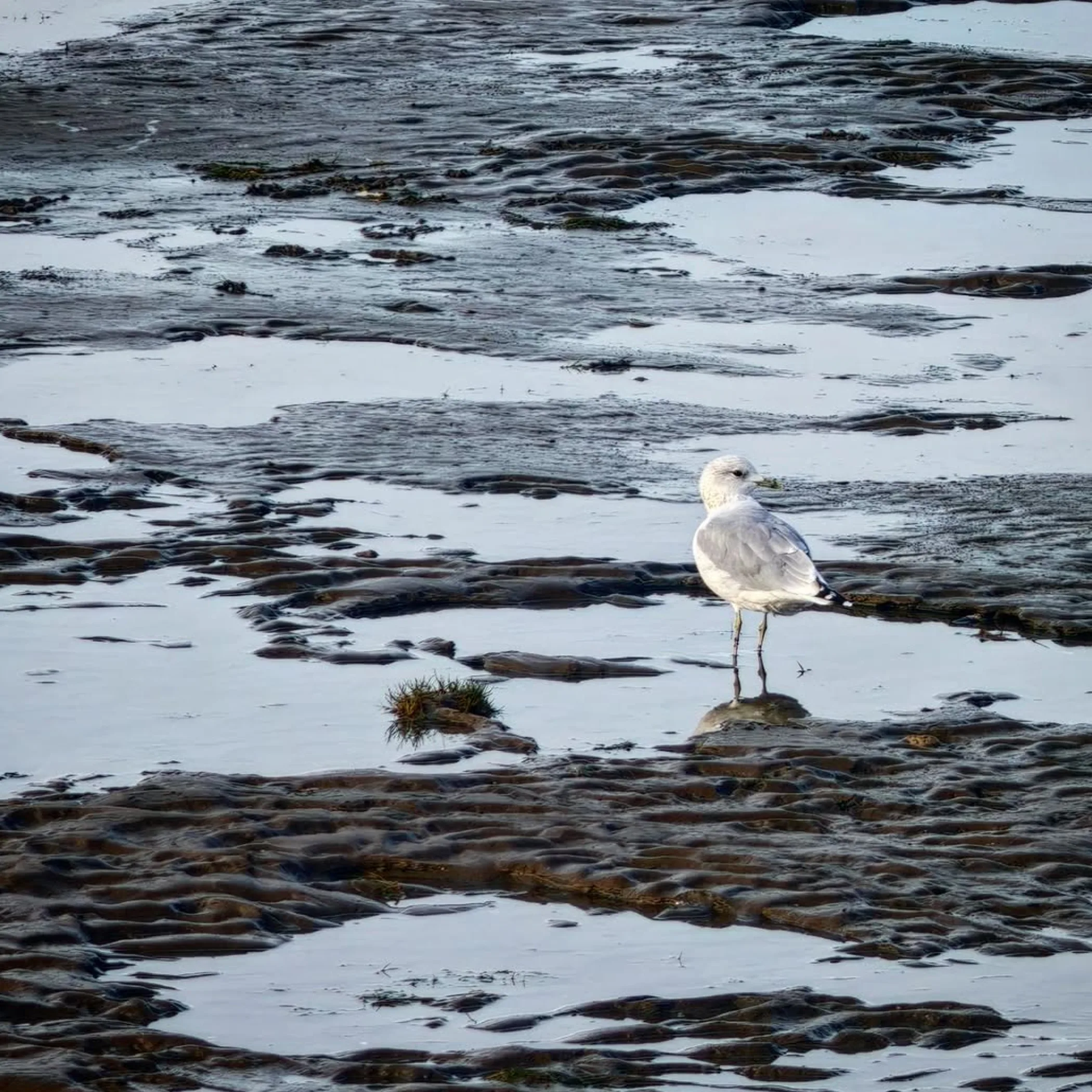
You will find late afternoon good for spotting as some creatures get about more with the cooling of the day. Mornings too, for a change of pace and less company at the lookouts. Do not expect a magic hour. Between the elements, the breeding habits and the numbers of visitors, there is no certainty. It is better to have a plan that allows for a stop than to be in a hurry from one vantage point to another.
Seasonal Considerations
Come summer there is the prospect of bushfire closures so it is wise to check with the park. On warmer days get an early start on the exposed tracks and take plenty of water.
There is no better time to go for a walk than in the autumn or spring, when conditions are at their most comfortable. Then again, rain will make of a mud and slippery roots of it. Winter has its own demands with cold winds, weather that changes on a whim and less daylight. You can have a fine time with wildlife if you put on what the conditions warrant as opposed to what you might have wished for from the forecast.
Packing List
- A few essentials: binoculars, a camera or phone, and a small notebook to put down any sightings.
- Some water and snacks, sunscreen, a hat, something warm and a jacket for the rain.
- Walking shoes with good grip, first-aid basics and directions that do not require a signal.
- And a reusable bag for rubbish, hand sanitiser, perhaps a torch should you be back late.
Make sure to consult Parks Victoria’s official park information for any guidance or the current state of the track before you head out. Live phone maps are not to be relied on once you are away from the larger towns and reception is thin.
Coastal Tracks and Wildlife Safety
To be a responsible walker is to look after both the animals and your fellow visitors. Heed the signs, stick to what is marked and give wildlife room. Do not feed an animal to get a picture or draw it near.
The habitats along the coast are delicate; one can trample vegetation and ruin a nesting spot or put seals and penguins under stress by getting too close, which will alter their feeding or part young from the adults. Any photograph is hardly worth such disruption.
Conducting Yourself Around Animals
Where dogs are allowed they must be kept in hand, where the rules of the park do not permit them they should be left behind. If you come across injured wildlife, do not make contact. Note the location and put in a call to the park office or the proper authority.
Under no circumstances should one climb over a barrier or go to the edge in high wind. Sea cliffs have a way of crumbling and the rocks by the beach are slick when wet. If your route takes you over low coastal ground or beaches, check the tides; an incoming tide will not necessarily let you retrace your steps.
Consideration For Others
A quiet word is in order around animals and at a well used viewing platform take your turn. Let those in a hurry get by and do not hold up a lookout for the sake of a few more shots.
When watching wildlife, act like a guest. There is to be no loud music or drone where it is not allowed, nor any pursuit of wallabies or penguins for content. The animals are interesting enough without having to put on a show for you.
Answers To Some Common Questions
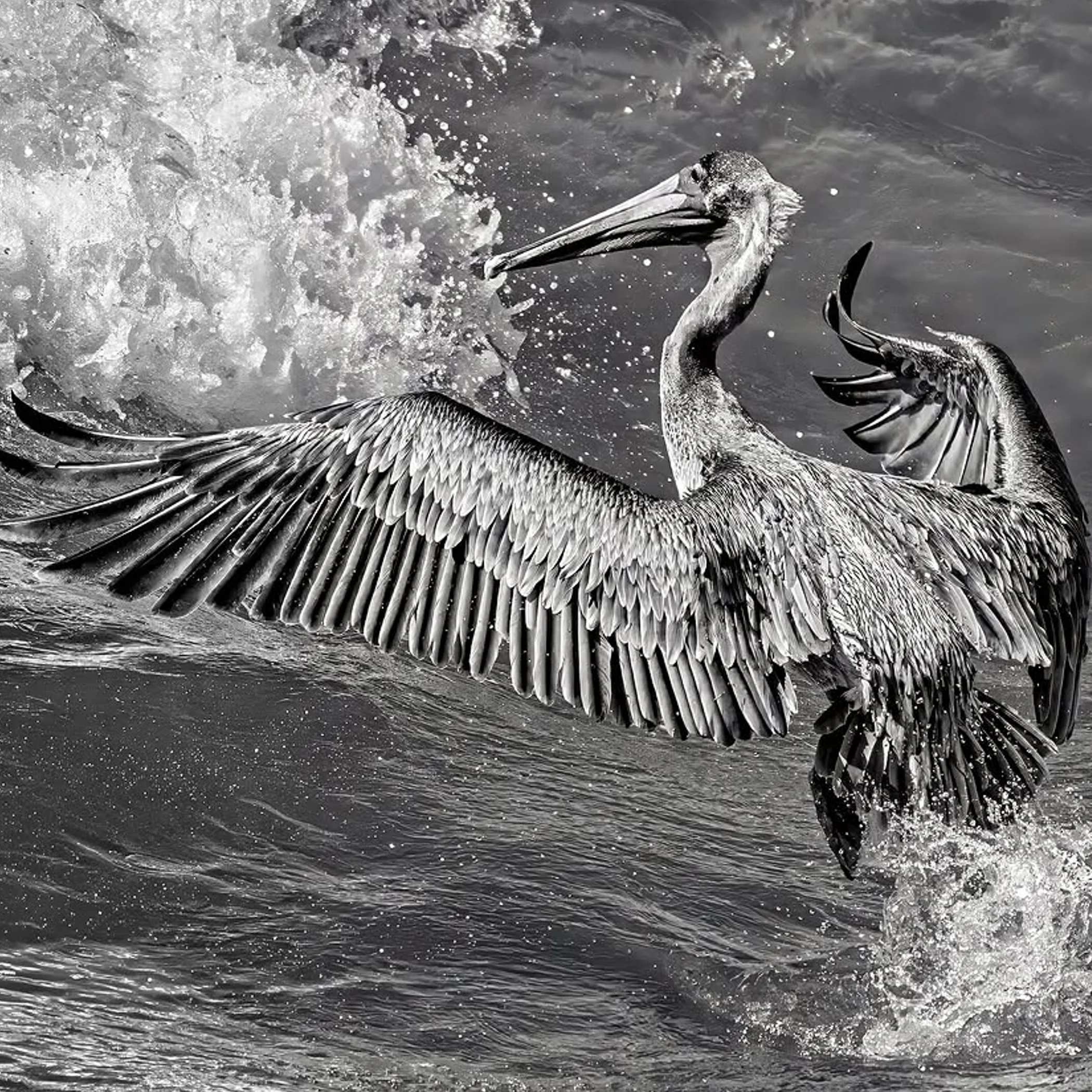
We have addressed the practical matters that tend to arise ahead of a coastal walk of a wildlife nature. But as access and conditions are subject to change, let the official park notices be your final arbiter.
What would you call the best coastal walks in Victoria for spotting wildlife?
Cape Bridgewater is hard to beat for sea-cliff views and Australian fur seals. In Great Otway National Park you will find koalas, echidnas and wallabies in greater numbers. Phillip Island is convenient for seeing little penguins, seals and seabirds.
Are there seals to be seen on the Cape Bridgewater Seal Colony Walk?
You can view them from the designated spots, though how far off they are and how well you see them is variable. A pair of binoculars helps. Leave the colony and the marked path be.
For wild koalas on the coastal paths of Victoria?
Try the eucalyptus woodland of Great Otway and similar forest areas. Be slow in scanning the canopy, particularly on a track with less traffic, and do not be taken in by a crowd at the base of a tree thinking they have found one.
Phillip Island Coastal Walks?
One may put in an appearance: Australian fur seals, little penguins, shore and woodland species and coastal seabirds, all depending on the day. The Nobbies and Seal Rocks are good for a bit of structured viewing.
When is the right time of day in Victoria?
Late afternoon or early morning is usually more practical, the cooler conditions and some of the animals being more inclined to activity. But you cannot put a schedule on wildlife so factor in some time to wait and watch.
What to have with you on a coastal walk?
Sturdy footwear, layers for the wet and the cold, sun protection, food and water. A phone with offline directions and a first-aid kit. Put a torch in your pack if dusk is upon you.
Observing wildlife safely on Victorian coastal tracks?
Obey the barriers and signs, do not touch or feed and keep your distance. On exposed sea-cliff routes in particular you want to know what the weather and tides are doing and if there are any fire or closure issues before you set off.
Have A Kinder Day On The Coast
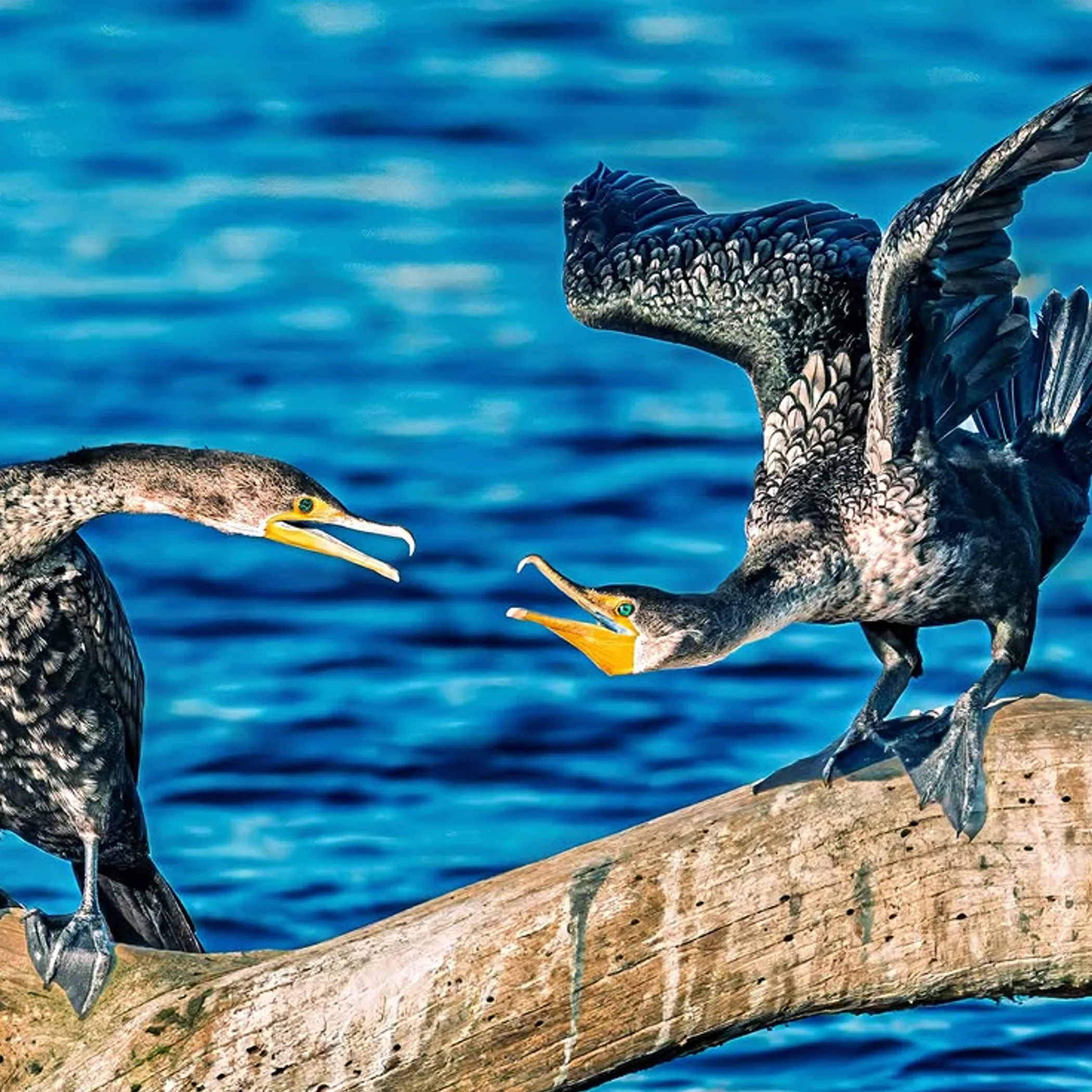
It is not a contest to see who can tally the most species on the finest Victorian walks. They are to be savoured at a slower pace, where a wallaby on the track or a seal at a distance is simply part of the story.
Pick an area and make time for stops, have your layers and if the day is only going to produce birds and not seals, so be it. It is still a good walk. Come the end of it you may have sand in your shoes and your hair a mess from the wind, but you will remember a very fine ocean cliff walk.
