There is a certain amount of wear and tear on any outdoor space in Australia. Proper upkeep of your verandah and pergola is what stands between it and UV rays, salt spray, rust, heavy rain and the like. You can stave off costly issues such as loose fixings, blocked gutters or small cracks with a couple of sensible cleanings and some timely repairs after an inspection every six months.
I am Seren Cox and in my experience one could compare the maintenance of an outdoor area to skincare; let the early signs go and you will find the repair bill to be the least appealing part of the process. Steady care makes for a more useful and safe environment for enhancing outdoor living zones, be it a timber verandah in NSW, an aluminium pergola on the Victorian coast or a steel affair in the Top End.
The Case For Regular Care
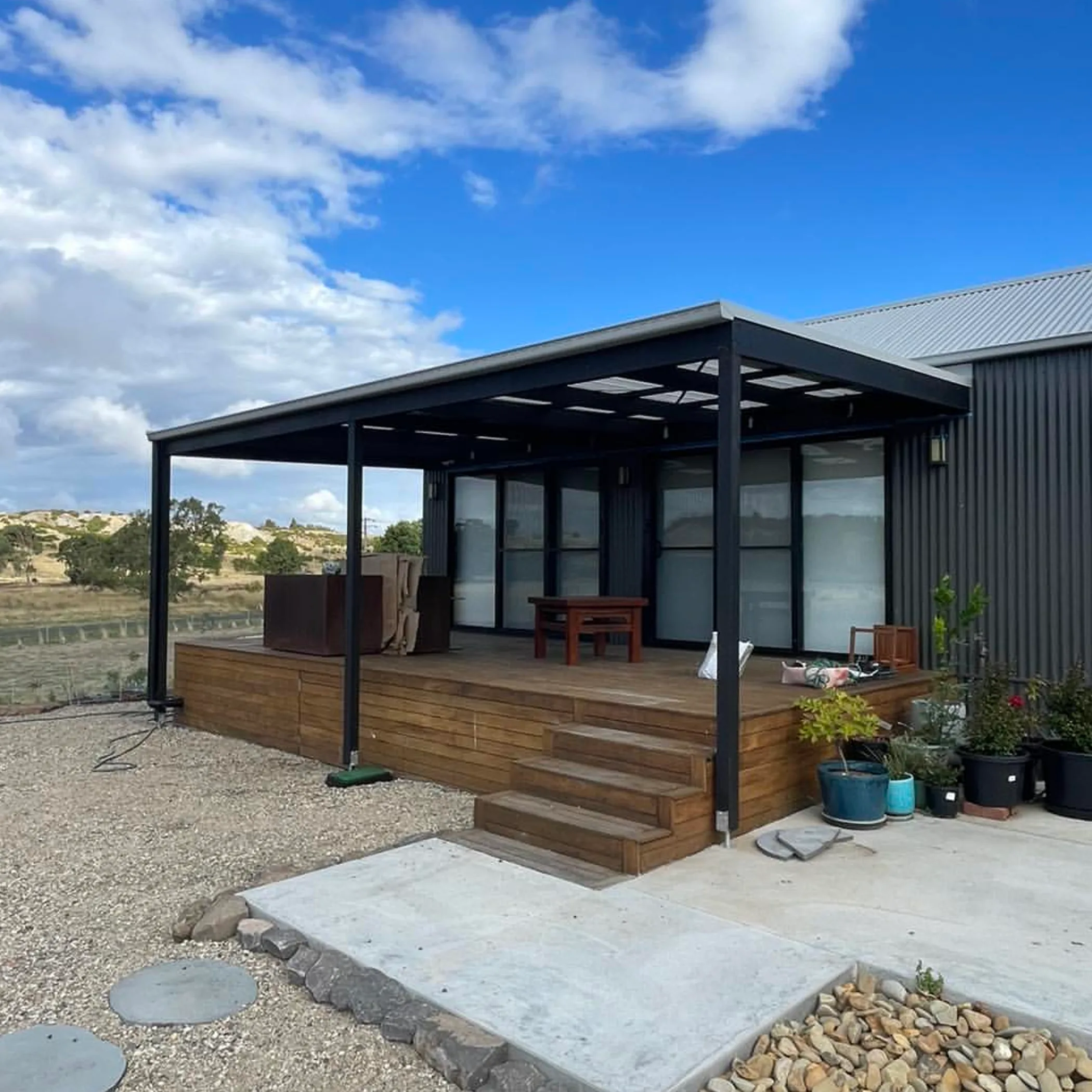
An outdoor structure has a hard life of it. It is put to the test by the elements, wind, sun, dust, insects, bird droppings and now and then a mozzie or two. With regular maintenance you are in a position to spot trouble while it is still something you can handle.
It is also a way of looking after the gutters, downpipes, roof edges, flashings and the like that tend to be overlooked until they fail. When there is no grime or leaves to obscure things, a dry and clean structure is far simpler to put under the microscope.
When Minor Issues Turn Structural
Things like water pooling, rot or rust have a habit of starting in a quiet manner. A split in the timber lets in moisture, a compromised coating does the same for steel, a clogged downpipe will redirect stormwater at your footing or wall.
A lot of people make the mistake of thinking a job is done because it looks presentable from the garden. But above eye level the posts, brackets and roof fixings may well be on the way out. Make sure to look up and under and see where the water goes.
Everyday Use Is Better With Maintenance
You will not be putting up with splinters, sagging roof sheets or a screw that has come loose if you apply some basic care. Your verandah or pergola will feel better overhead and underfoot.
Then there is the matter of preserving the shade and weather protection. That is important when the children are playing about or you want to have a coffee in peace before the day takes over.
Preventative Seasonal Checks
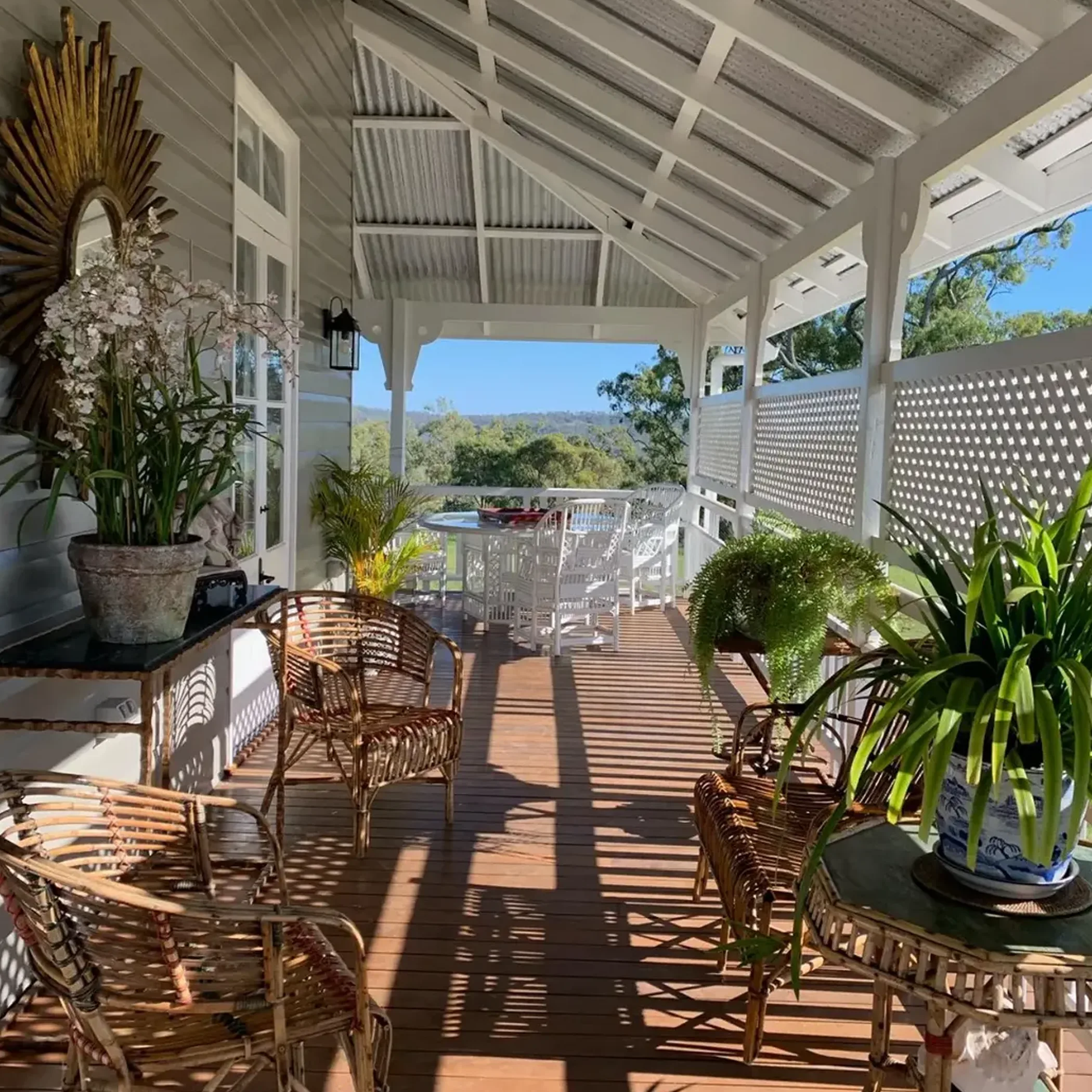
In Australia the weather dictates the work. Northern wet seasons mean humidity and torrential rain, in the south the summer sun and bushfire risk are higher, and on the coast you have to contend with the wind and salt.
Two thorough inspections should be put in the calendar each year, with a quick once-over after any cyclones, gales or prolonged wet. No need for a hard hat or clipboard, but unless you have the equipment for safe access, keep both feet on the ground.
| Timing | What To Check | Why It Matters |
|---|---|---|
| Before summer | Roof sheets, drainage and timber coatings | Gets the structure ready for heat and use |
| After summer | UV damage, warping, fading and bushfire debris | Finds heat and weather damage before winter rain |
| Before the wet season | Water flow, flashings and gutters | Helps avoid leaks |
| After severe weather | Movement in posts and broken sheets | Flags safety concerns |
Make Inspection Routine
Work your way down from the roof. Edges and flashings first, then the beams, flooring, screens and so forth. Put a few photographs on file of anything that has changed for the next time round. Jotting down the date and what was done is good practice for future planning or should you come to sell the property.
A Plan For One Day’s Work
Safety and water management are the priority. Do not be polishing paint all day while a downpipe is channeling water to the house; cosmetic matters can be put off. Corrosion and water must be dealt with first.
- Morning: have a look at the structure, see how the drainage is and clear the gutters.
- Midday: a soft brush and some mild detergent will do for the surfaces.
- Afternoon: note any defects and put in a call for professional assistance on structural matters, after replacing any simple fixings.
Timber, Aluminium, Steel, Composite
They are not all the same. Be wary of using the wrong pressure setting or cleaner, it can mark powder-coated aluminium, strip a protective layer or force water into the joints of timber. For the bulk of routine cleaning on a pergola one will want to employ a soft brush, some mild detergent and a low-pressure rinse. If the surface has been painted, sealed, stained or powder-coated, it is prudent to put any product to the test in an inconspicuous spot beforehand.
Timber Needs Breathing Room
Upkeep of a wooden verandah is first and foremost a matter of seeing that the timber is clean and not unduly wet. Get at the joints and any shaded nooks to clear out leaves, dirt and organic growth. Be sure to give post bases, stair edges and where water might be standing against the grain your full attention.
One should let the wood dry out completely prior to putting on an oil or sealant; a coating applied to damp or soiled timber will only serve to trap moisture and leave patchy stains. Adhere to what the manufacturer says with regard to reapplication and drying times.
Be on the lookout for insect activity, movement, darkened end grain, softness or cracking. A handrail with splinters is a nuisance but a post in rot is something structural. Do not simply sand over decay and consider the work done.
Aluminium Stays Low-Maintenance
It may require less of an effort than timber, but do not mistake low-maintenance for no maintenance. Grime, salt and dust have a way of accumulating at the roof edge and around fasteners and joins.
A wash with a soft brush and mild detergent followed by a low-pressure rinse will suffice. Harsh chemicals and abrasive pads are to be avoided as they can mar the powder coating. In coastal locales it is wise to put in more frequent rinses of salt deposits, windy days in particular.
Steel Requires Rust Control
An inspection of welds, screws, brackets and steel posts is called for to check for flaking coatings, bubbling paint or rust. While some surface rust can be dealt with by way of a recoat, corrosion in the vicinity of structural connections is best left to a professional.
Painting over loose rust is not going to work. The proper course of action is to remove the failed material per the coating system and put down a compatible finish. Should the metal section be compromised or a connection affected, replacing it is the safer option.
Composite Surfaces Call for a Gentle Touch
Weathering is something composite decking and screens can stand up to for the most part, yet they will still get dirty and stain under barbeques or pots. Make a habit of sweeping and tending to spills before they are baked in.
Heed the manufacturer’s instructions for cleaning. Starting with a low-pressure rinse is the better course; a high-pressure washer risks marking the boards or driving dirt into the grooves.
Sun, Rain And Salt
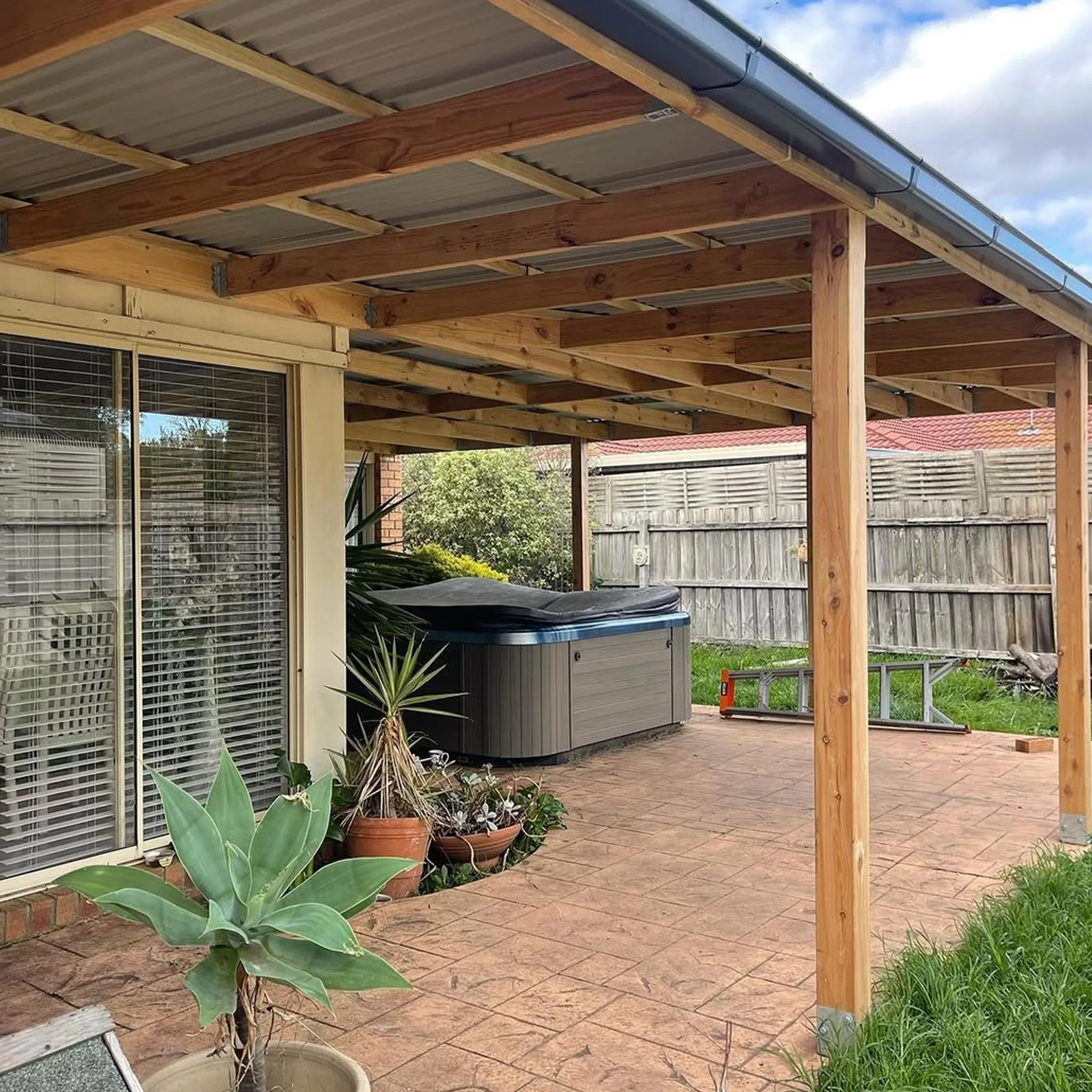
Outdoor structures in Australia have to endure conditions that are hard on them. UV will fade a finish and make some plastics weak, and the cycle of wetting and drying is apt to bring about joint failure or cracks in timber.
The idea of protection is not to be rid of maintenance altogether but to put off damage and let the materials have their day.
Manage UV Exposure
Examine the exposed and shaded sides on their own merits. An outer screen or fascia could be brittle and faded while a beam under the roof appears fine. Keep furniture from chafing the posts or screens and replace any shade fabric that is for wear. Before you put up extra sails or heavy ornamentation, make certain the structure is up to the load.
Rainwater Must be Controlled
Water from the gutters should be taken away from the structure and not let go beside a footing. See that the downpipes are in place and the outlets unobstructed so there is no pooling at the wall or post.
Take a walk around after a rain to spot slow-draining spots or an overflowing gutter; it is a simple way to find trouble that would not show on a dry afternoon.
Coastal Conditions Are No Joke
Salt spray will hasten corrosion in hidden brackets and at cut edges and fixings. More regular inspections and rinsing are to be expected of a coastal home compared to one inland.
Do not be under the impression that hardware with a stainless look is impervious. Look for pitting, staining or anything that is coming loose and fit in compatible fixings if a repair is in order.
Roofs, Gutters And The Structure
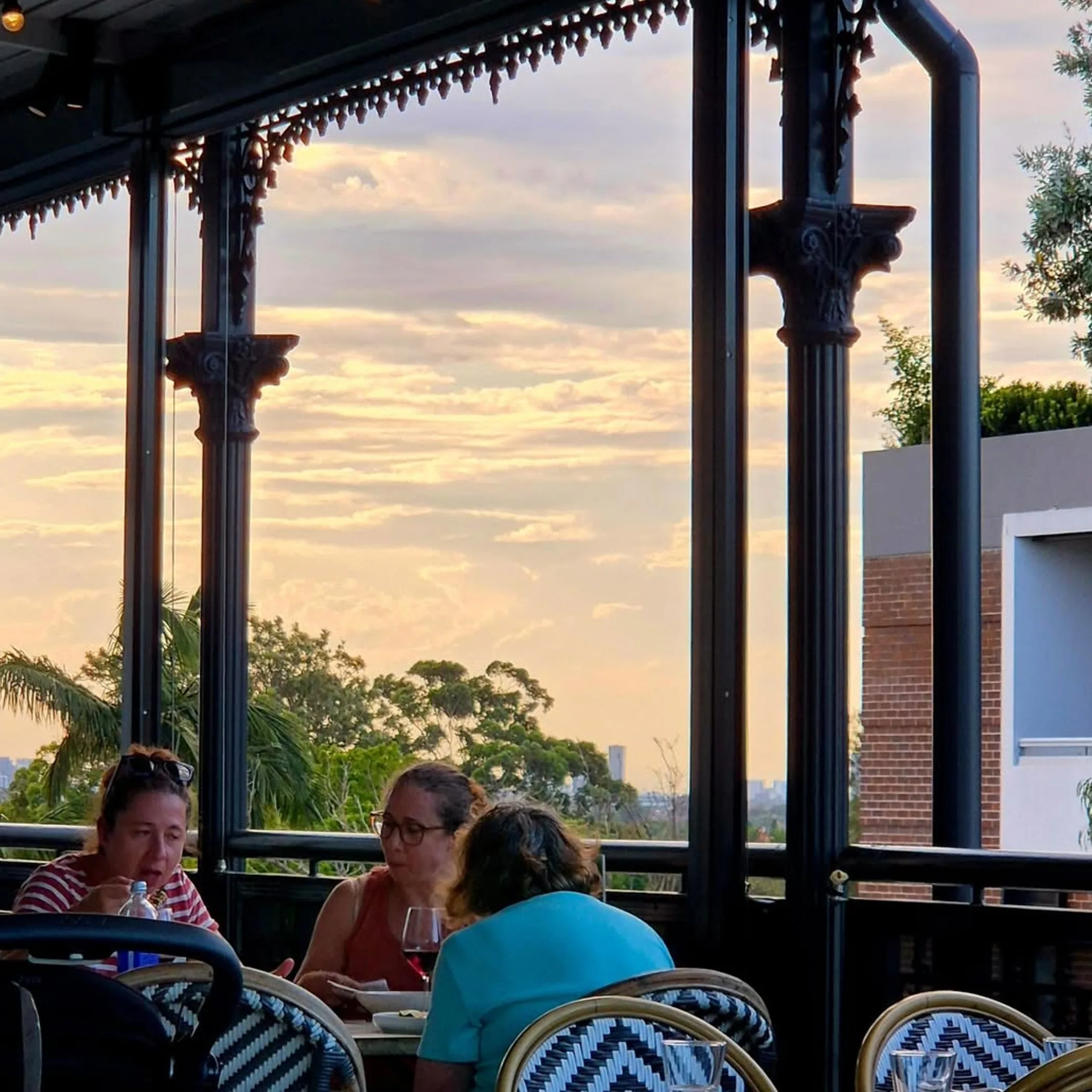
Any plan for maintenance should be centred on structural inspection and the management of water. A pergola of fine appearance is still a problem if its drainage is poor.
When it comes to building standards and construction requirements the Australian Building Codes Board is a good source of information; check with your state or local authority too before making alterations.
Follow the Water
Put in the time to trace the water from the roof to where it discharges. Have a good look at the flashings, overlaps, sheets and the like. Staining under a join is often a sign of a leak.
Pooling of water is of concern near the house wall, stairs and posts. There is nothing clever in a hasty patch that sends water in the direction of a neighbour or foundation; see that any improvement to drainage is in keeping with the site and the building.
Connections And Movement: A Check
Test the structure in a gentle fashion to see if there is any give at the connections or movement. Be on the lookout for rusted brackets, a screw out of place, loose bolts and the like. Under no circumstances should one go up on a roof without proper access and the certainty it will hold you.
Then put a halt to work and get some qualified counsel on the matter if a storm has left its mark in the form of movement or you come across a cracked weld, a post that is leaning, a damaged footing, a sagging beam or where the timber has rotted. One does not need optimism, cable ties and a shrug when it comes to structural repairs.
To Repair Or Replace
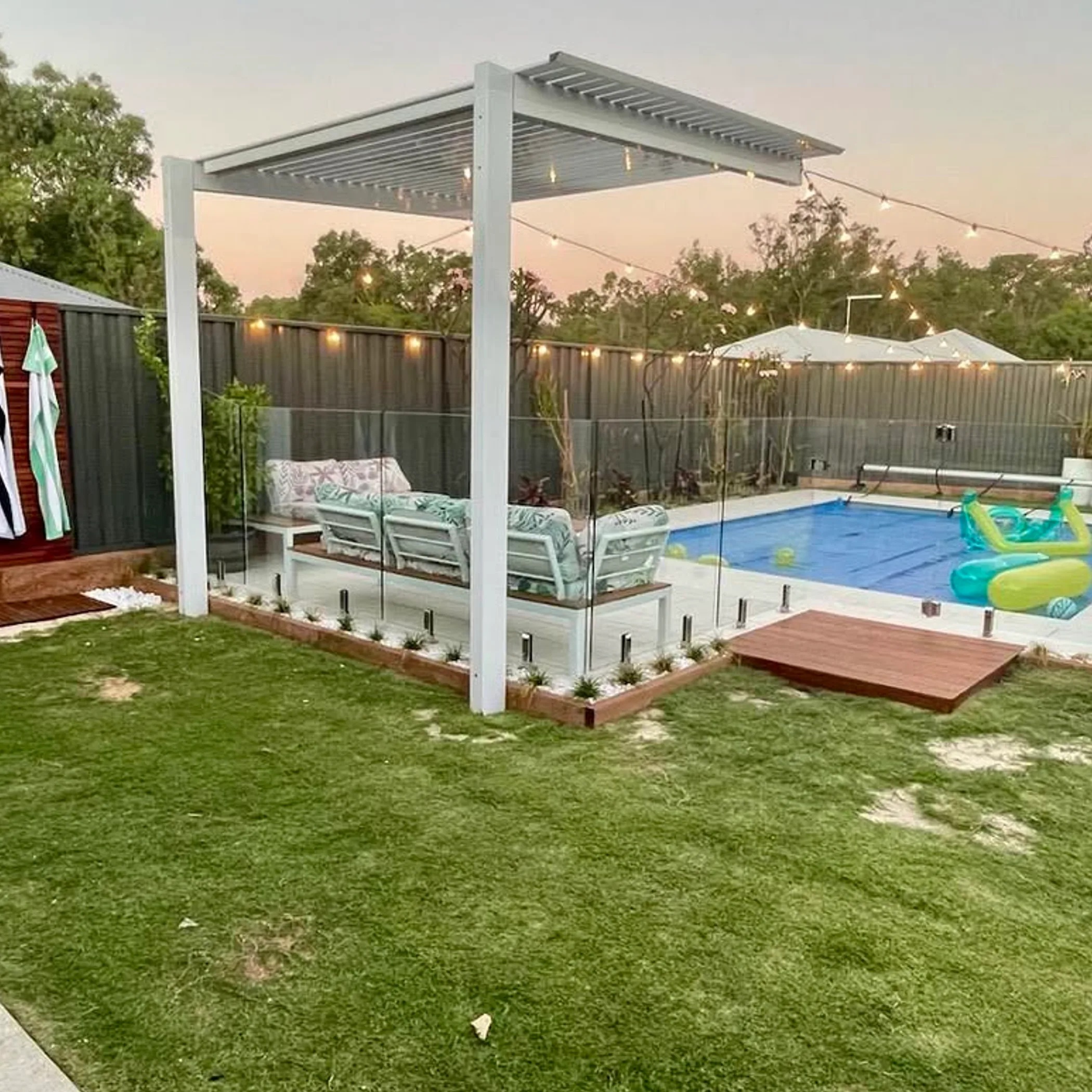
For localised damage with a sound structure about it, repair is the sensible course. But if you are dealing with corrosion, rot or cracking that has got into several connected parts, replacement is called for. Do not remove anything load-bearing without first putting in for professional advice; a pergola or verandah can have an effect on the house, neighbouring boundaries, your electrical services or roof drainage.
Some Decisions On Repairs
Renew the sealant if the joint below is good, put in compatible fixings to take the place of an isolated rusted screw and tend to minor coating damage. Damaged timber is best replaced in full, not hidden under paint or oil. Should the roof have been put out of position or the structure otherwise compromised by a bad storm and several posts are involved, have a structural assessment done. An engineer, builder or licensed tradesperson of standing will be able to say if the repair is safe and what approvals may be required.
An Idea Of Costs
You will not find one cost for verandah and pergola upkeep in Australia. The final figure is dictated by labour rates, the material, height, access, location and the extent of the damage. For planning purposes, expect to put down tens of dollars or a few hundred for cleaning supplies, anywhere from several hundred to AUD 1,500 for minor repairs and many thousands for major structural work. Have the quote in writing and itemised so as to separate out inspection, disposal, painting, access equipment, materials and any work tied to approvals. Add to that for coastal access or the need to do something urgent after a storm.
- DIY is fine for a visual check, to sweep and wash, or clear the gutters you can get to.
- Leave the rest to a pro: any work at height, roof work, electrical, or where there is structural movement, major rot or rust.
Prolonging Your Outdoor Space
There is a practical side to good maintenance. It makes for a comfortable and safe zone for outdoor living and is a way of protecting the investment in your seating, lighting and shade. When the weather in Australia gets harsh you want better drainage, cleaner surfaces and fewer surprises. A verandah or pergola is not required to be showroom perfect, only sound and up to the task of real life.
Reality Check
One might think an aluminium pergola is trouble free. In fact it requires the odd fastener check, a rinse if you are on the coast and some cleaning. You may believe a new finish on the timber will see you through for years but UV, rain and foot traffic will have their way with it over time. As for leaving a pergola up all year, storms and the weight of vines and debris will put stress on it, so make a point of checking before the severe-weather season.
Questions We Get Asked
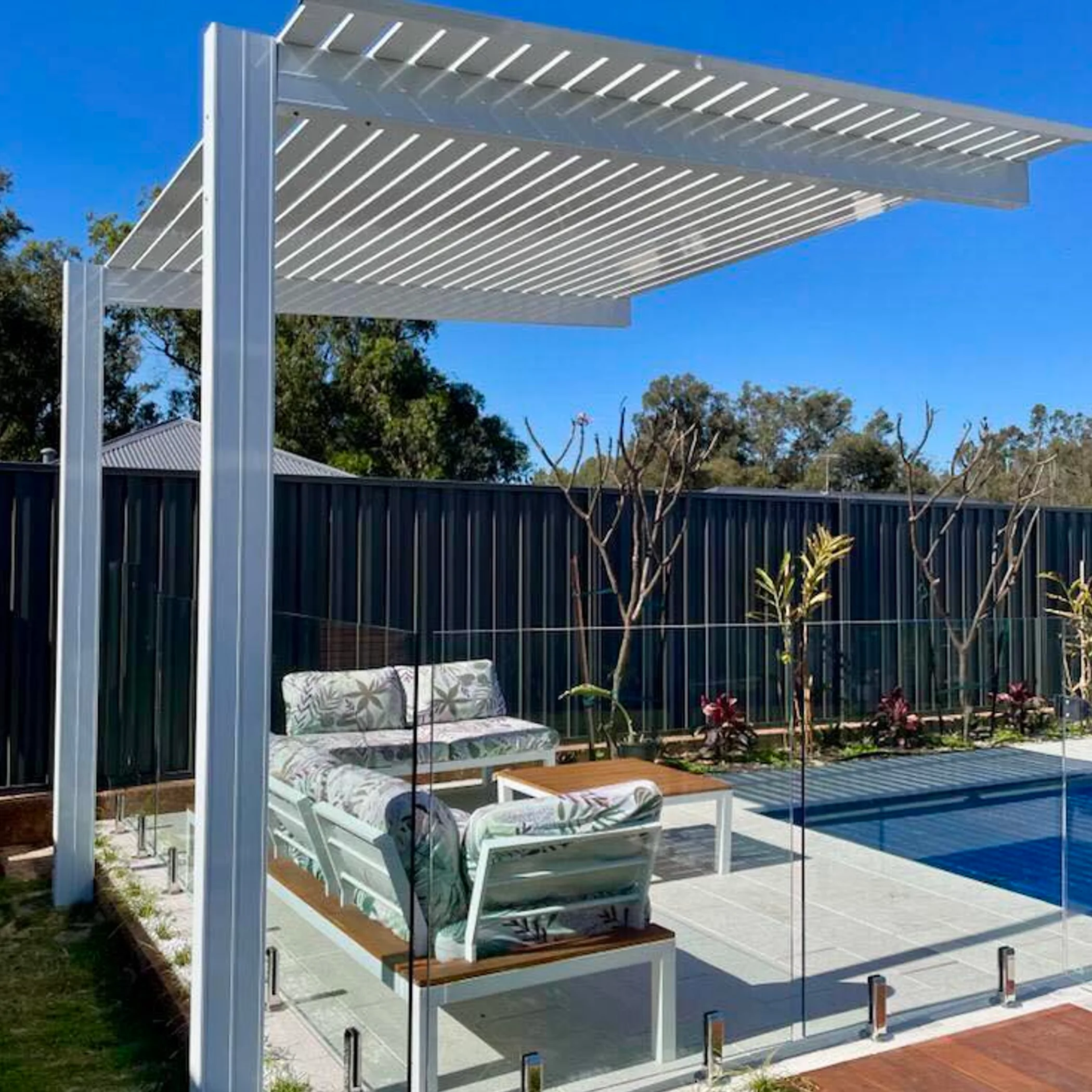
Homeowners will often wonder if a weekend’s cleaning is enough or put questions to us when they are weighing up a repair. The answer is generally to be practical: inspect, clean and then address any structural issues.
A pergola, patio and verandah – what is the difference?
The former is an open or partly covered outdoor affair, usually on posts. A patio is at ground level, open or not. A verandah tends to be affixed to the building and run along part of it with a roof. Construction details and definitions are a matter for local approval.
What is the cost of a verandah in Australia?
It is hard to generalise. Size, design, site conditions and labour will see costs vary from hundreds for a small job to thousands for a build or replacement. Better to get a local quote than go by the national average.
NSW building regs for pergolas?
Do not be under the impression a pergola needs no approval just because the neighbour put one up with no paperwork showing. Whether the work is exempt or not will hinge on the design, height, setbacks and other factors. Verify with the council and NSW requirements.
Is it alright to leave a pergola up?
Provided it is well maintained and put in correctly for the climate, yes. Inspect the sheets, fixings and any added load of decorations or vines ahead of bad weather. Different rules may apply to a temporary structure.
Pressure washing a verandah?
Too much pressure or having the nozzle too close will do harm to the timber, composite, sealant and coatings. Put in a mild detergent and soft brush to start with and a low-pressure rinse. Only bring in the heavier equipment if the manufacturer says it is okay.
A Sensible Routine
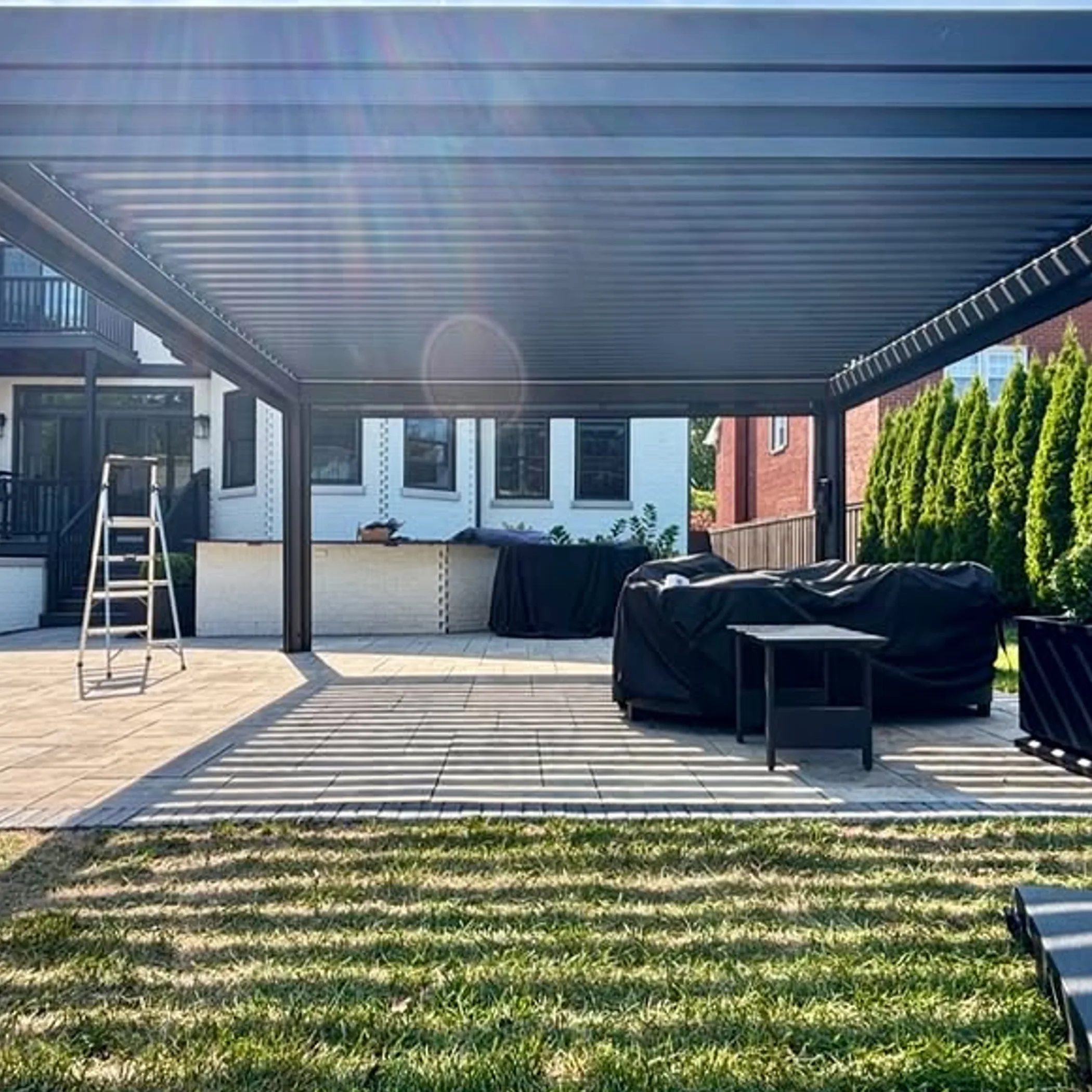
For the Australian homeowner, verandah maintenance is a matter of being on top of water, corrosion and movement with a twice-yearly inspection and some careful cleaning. With a pergola the principle is the same, though one must be more mindful of the roof edges and the exposure on the coast. Record your findings and do what you can safely. If there is any question as to the integrity of the structure, engage a professional. This is how you keep the space at hand for a family dinner or a quiet morning, and for the occasional retreat indoors when the weather changes.
