There are health risks with blocked drains in the form of toxic gases, electrical hazards, mould spores, parasites, viruses, bacteria and contaminated water. Should raw sewage or wastewater make its way into your home, yard or any common area, it is an emergency to be dealt with as such, not a mere nuisance.
I am Seren Cox and one has to be careful with plumbing; the worst errors tend to be made in the name of saving a dollar or keeping one’s shoes clean. A blocked overflow might present as nothing more than dirty water but there could be E. coli, Hepatitis A and the like in it. For your own safety and that of children, pets or any inquisitive adults, put some distance between them and the problem. Do not have skin contact, and if you can do so without risk, turn off the power before you call in a plumber or the water authority.
When Drains Overflow
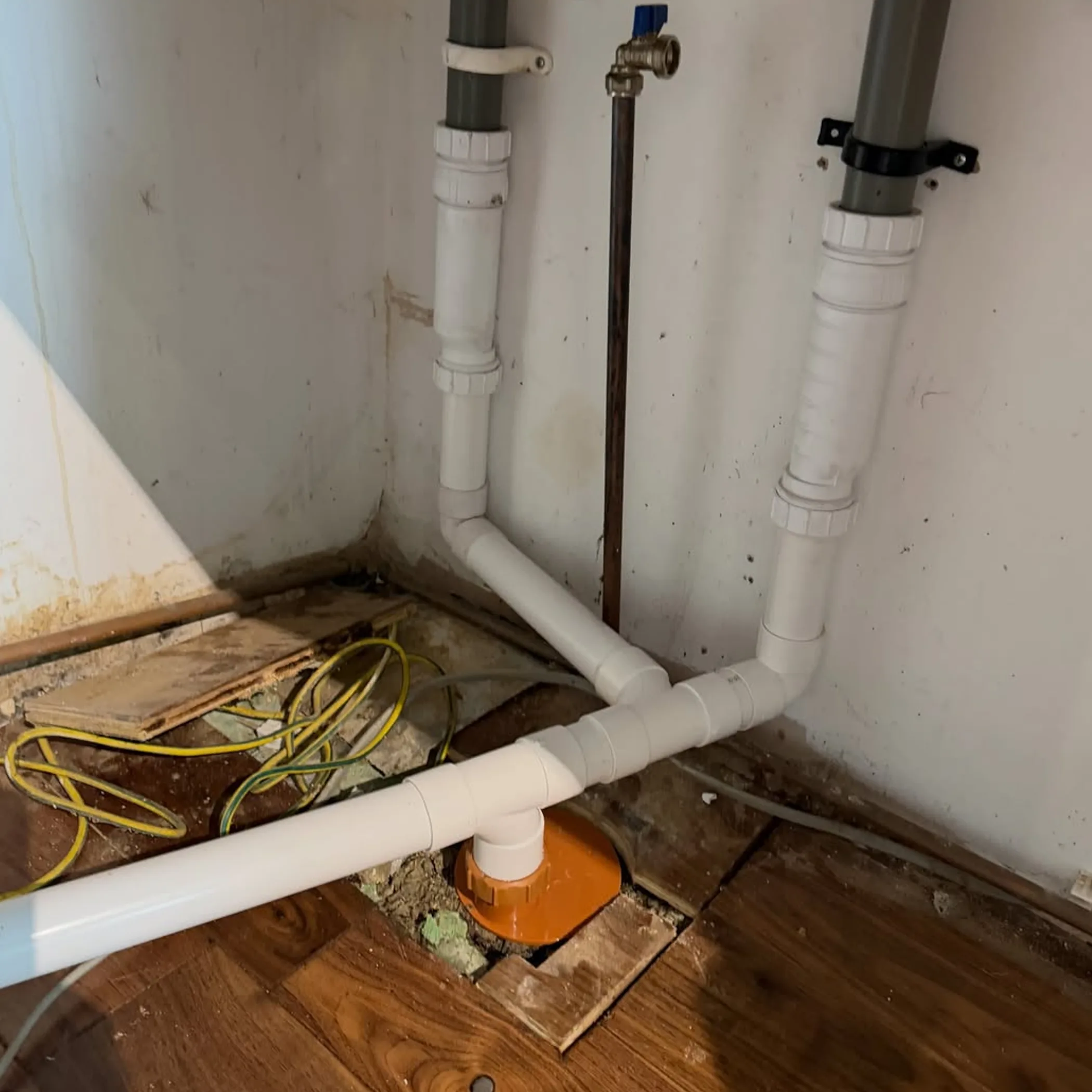
The pipe network is obstructed by a blockage so the wastewater has nowhere to go. Pressure will force it back up through floor wastes, outdoor overflows, toilets, sinks or an inspection opening. What you are left with can be a mix of microbes, grease, faecal matter, soil, detergents and general household refuse.
Do not be fooled by clear looking water, it is not for that reason alone safe. Even before the black sludge makes an appearance a drain can be carrying contaminants. In Melbourne suburbs a failed sewer connection, old pipes, tree roots or a downpour can make a plumbing issue very pressing. These are common Melbourne suburban plumbing issues.
Exercise Caution With Black Water
An overflow may produce black material which is a combination of silt, decomposing organics, grease and sewage. There is no telling from the colour or smell whether it is safe, so do not put hands on it and do not run it off into another drain with a hose.
The longer water is left to stand the greater the health risk. Dampness from a blocked drain will foster mildew and mould, and in an enclosed room the stench of foul odours could mean there are gases or waste in the air best not inhaled.
Wastewater Contact
One need only have direct contact to fall ill. If a person is barefoot in a flood or mopping a wet floor sans gloves, contaminated water can get into open wounds, the eyes, nose or mouth.
What follows can be gastroenteritis, an infection or irritation of the skin and eyes. The degree of risk is a matter of how much contact was made, if the skin was broken, the nature of what went down the drain and the promptness of any cleaning.
Bacteria, Viruses And Parasites
All manner of bacteria, viruses and parasites can be found in wastewater. Poor hand hygiene or tainted food and water can be vectors for Hepatitis A, and E. coli is a sign of faecal contamination. Then there is Leptospirosis from animal urine in the soil or water, though this is dependent on the setting.
A splash or an odour is not grounds for self diagnosis. Soap and running water should be used to wash any exposed skin and change out of clothes that have been contaminated. Medical opinion is warranted should symptoms such as fever, vomiting, jaundice, an infected wound, severe pain in the abdomen or unexplained fatigue set in.
Vulnerability
Those with a compromised immune system, the elderly, pregnant people and young children are at a higher chance of complications. Eczema sufferers or those with asthma and other respiratory ailments will be more prone to react to the damp and mould spores.
And it is well to keep pets from the overflow. A dog wading in contaminated water then licking its paws is an expedient method of making a plumbing issue into a job of cleaning the whole house.
Mould and Breathing
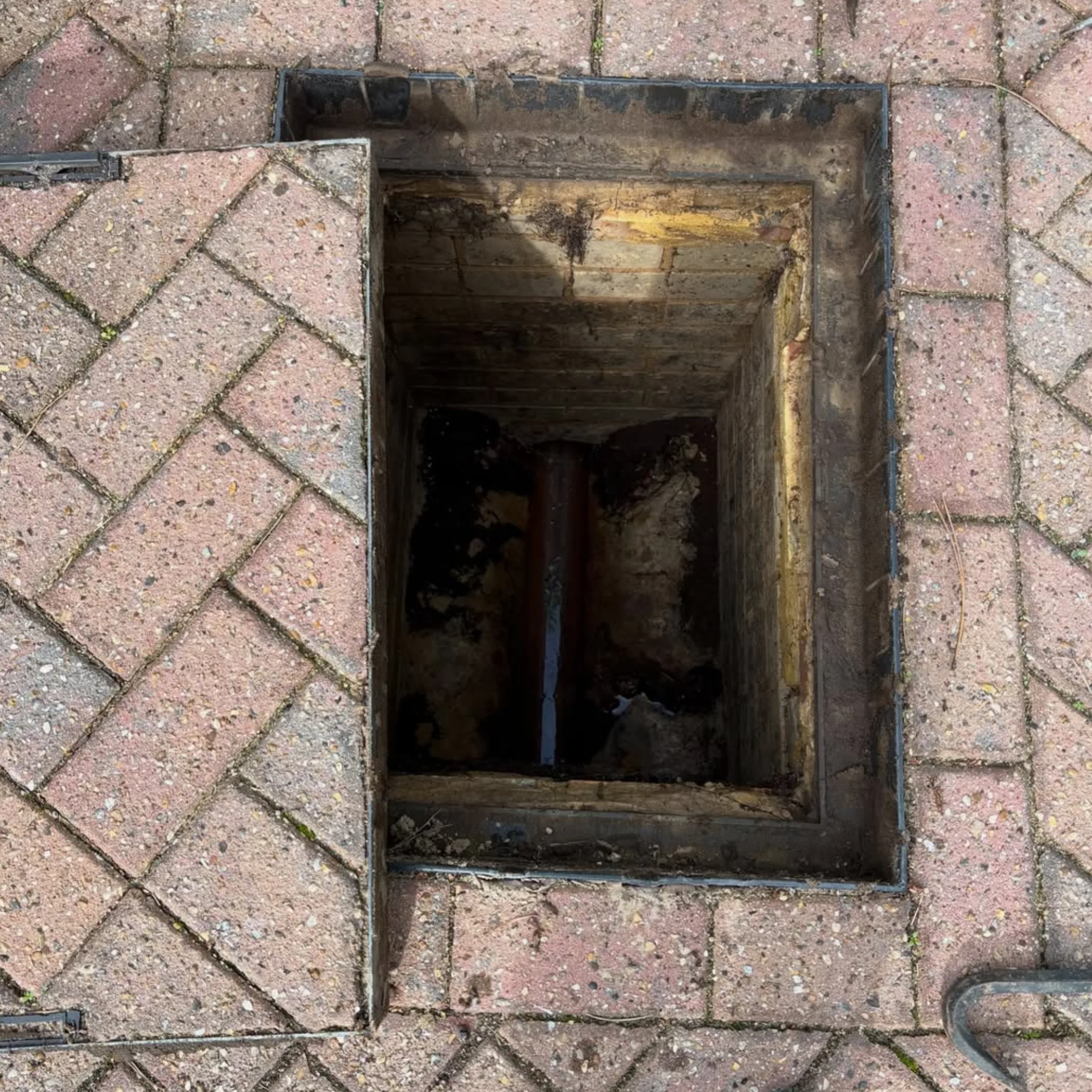
Flooring, skirting boards, cupboards, plasterboard and insulation can all be harmed by the moisture of an overflow. Mould will put spores in the air if the materials are not put right. You do not have to see a thick growth to be concerned; what is hidden under the flooring or in the wall can compromise the quality of the air inside and lead to sneezing, coughing, blocked noses and other respiratory irritations.
Put The Area To Dry
Once cleaned, let the place dry. But do not have a fan blowing across surfaces that were in contact with sewage, you will be dispersing particles and droplets. Make use of windows and doors where the weather permits, yet do not take anything contaminated into the rest of the home. There are porous materials like some plasterboard, carpet underlay, soft furnishings and insulation that will require a professional to assess or dispose of. Hard surfaces of a washable nature can be put through their paces with disinfectant and cleaning; just be sure to adhere to the product instructions and do not combine bleach with ammonia or any other cleaner.
For official word on public health precautions and environmental hazards one should consult the guidance from NSW Health environmental health. The state’s advice is contingent on the extent and kind of contamination so local instructions must be heeded.
Toxic Fumes Odours And Pests
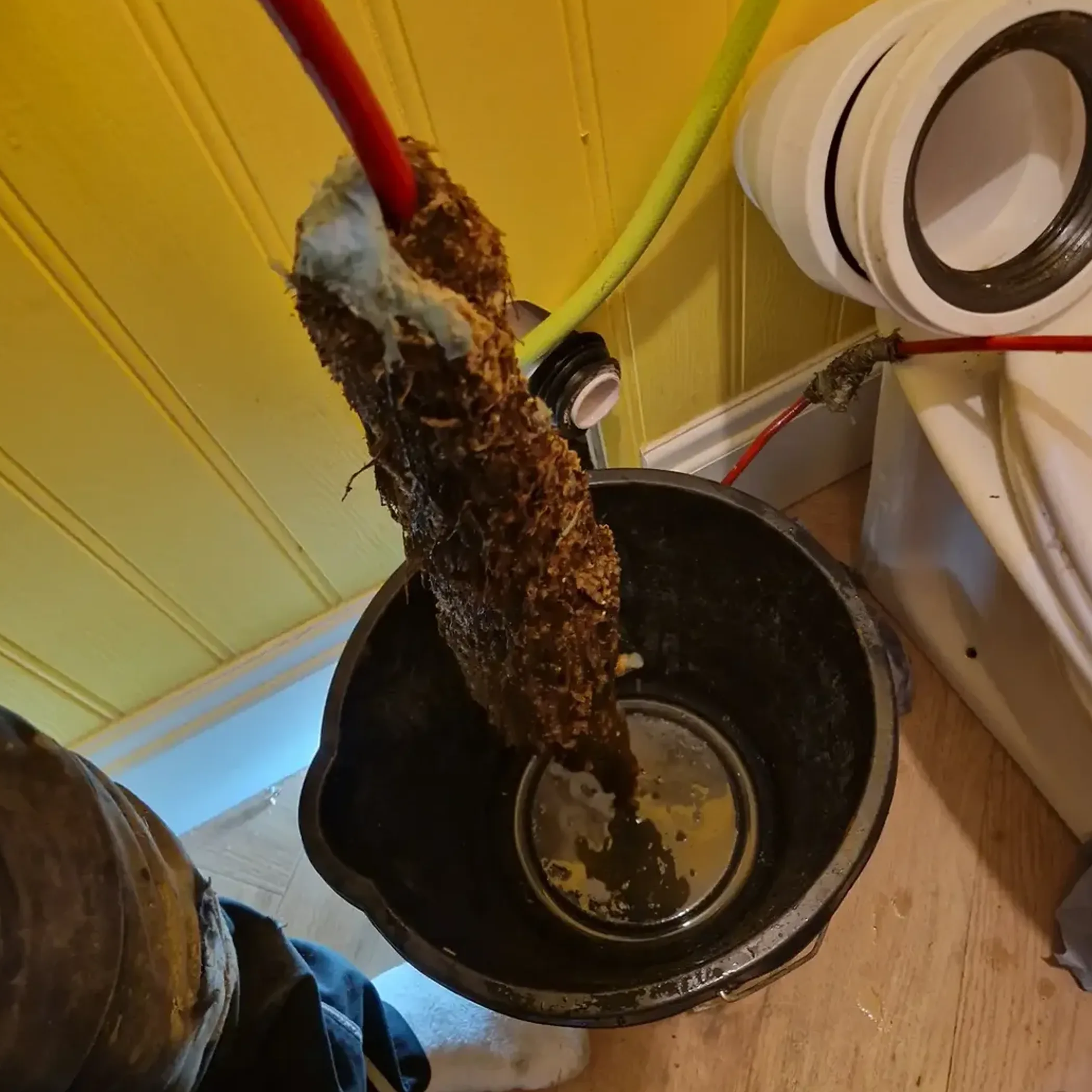
The gases from a blocked drain can be toxic, the level of danger being a matter of pipe design, ventilation and what has become lodged in the system. A foul odour is not something to put your face over to get to the bottom of. Curiosity has its place with a crossword but not in the vicinity of sewer gas.
Should you experience dizziness, shortness of breath, confusion, nausea or an uncharacteristic fatigue, vacate the area. In the event of someone collapsing or having trouble breathing, emergency services should be called. One does not go into a confined sewer or pit to have a look.
Flies Cockroaches And Rodents
When damp organic matter, food residue and stagnant wastewater are left about a property, a blocked drain can see an infestation of pests. Flies are apt to bring contamination to where food is prepared while cockroaches and rodents will make their way through storage, cupboards and floors carrying organisms with them.
See to it that rubbish is sealed and that clean utensils and food are put out of reach of the affected area. As for insecticide, do not put it down a blocked drain; it is a chemical hazard in itself and can harm the plumbing or compound the contamination.
Slips Electricity And Building Damage
Infection is not the only risk with a blocked drain. Rugs, timber, concrete and tiles get slippery when wet and there is hidden water to weaken fixings or the floor. The bathroom, laundry or courtyard are particular fall risks for older people and children.
Then there is the more serious business of electrical hazards from an overflow. Water in the vicinity of underfloor wiring, switchboards, extension leads, power points and appliances can result in a short circuit, fire or shock.
A Simple Risk Check
| Hazard | What It Can Cause | Safer Response |
|---|---|---|
| Contaminated water | Infection, illness or skin irritation | Avoid contact, wear gloves and keep pets and people at a distance. |
| Wet flooring | Broken bones, bruising and falls | Put up restrictions on access, remove a loose rug if it is safe to do so. |
| Water near electricity | Fire, shock or short circuits | Hands off wet appliances and engage a licensed electrician as needed. |
| Persistent dampness | Mould, mildew and damage to the structure | Have it professionally assessed and dry it out in short order. |
| Confined drain spaces | Drowning, collapse or exposure to gas | Do not enter, let a professional plumber handle it. |
Power should be switched off from somewhere dry and safe. If getting to a switch means wading through water or dealing with a flooded switchboard, call for help and leave it. And do not be tempted to use a vacuum, hairdryer or torch in contaminated water.
An Overflow
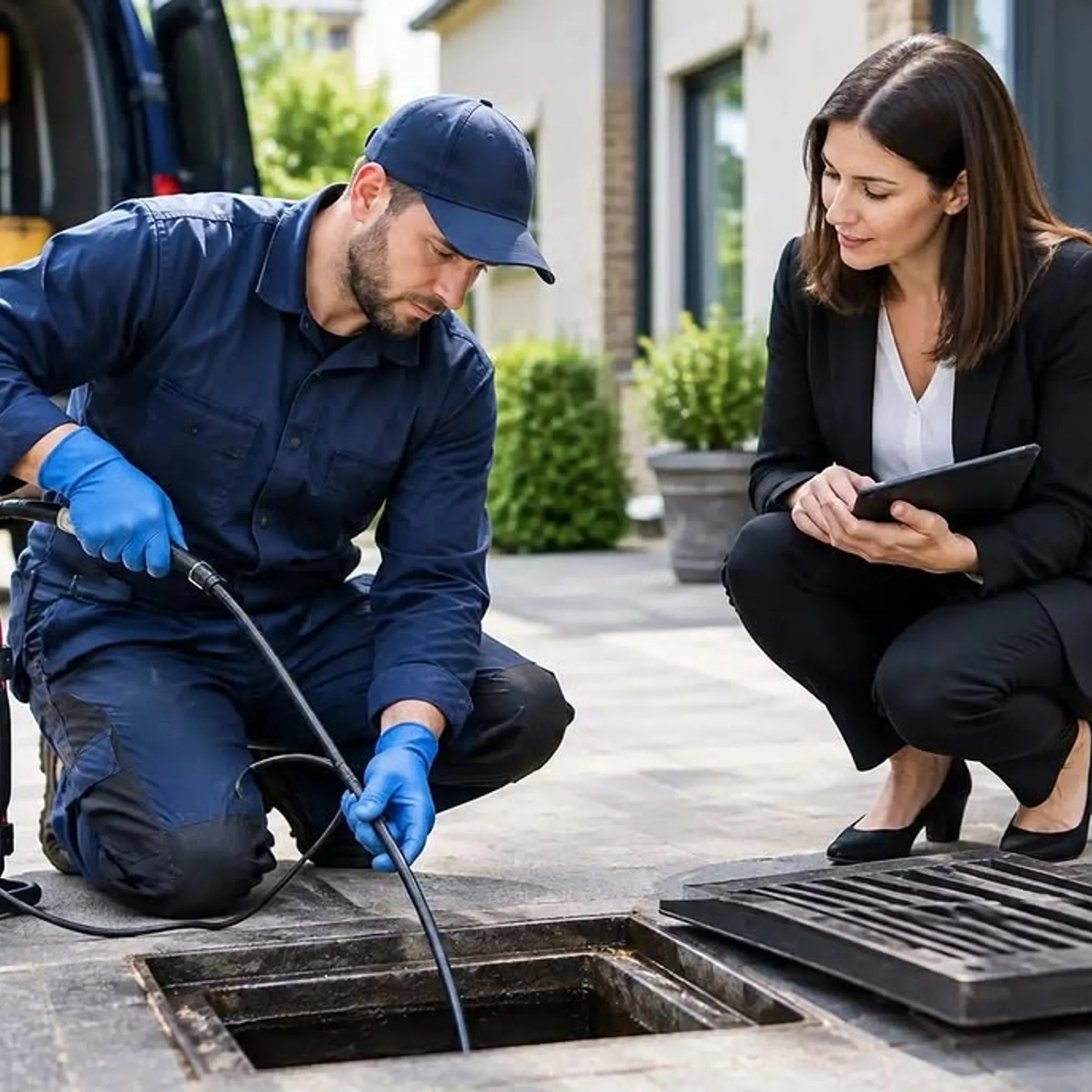
Calm and prompt action will contain the water damage and limit exposure. First things first is to bar anyone from the area, then put in a call for assistance. There is no hurry to clean up until the space is made safe and the source isolated.
- Visitors, pets and children are to be kept from the overflow.
- Refrain from any splashing or contact with the eyes or mouth.
- Provided one does not have to cross contaminated water, relocate medicines, food and other household items.
- Toilets, washing machines, sinks and showers on the line of the affected drainage are to be put out of commission.
- If sewage is making its way back up, put away the hose, plunger and chemical cleaners.
- Depending on whether the blockage is in a public sewer or private, get in touch with a strata manager, the water authority, a landlord or a professional plumber.
- Make a note of receipts for any cleaning or emergency work and take some photos from a position of safety.
Any wound that has been in contact with sewage or a splash to the eyes should be rinsed without delay and medical service contacted for their opinion. For loss of consciousness, difficulty in breathing or other serious symptoms, urgent care is warranted.
When To Call An Emergency Plumber
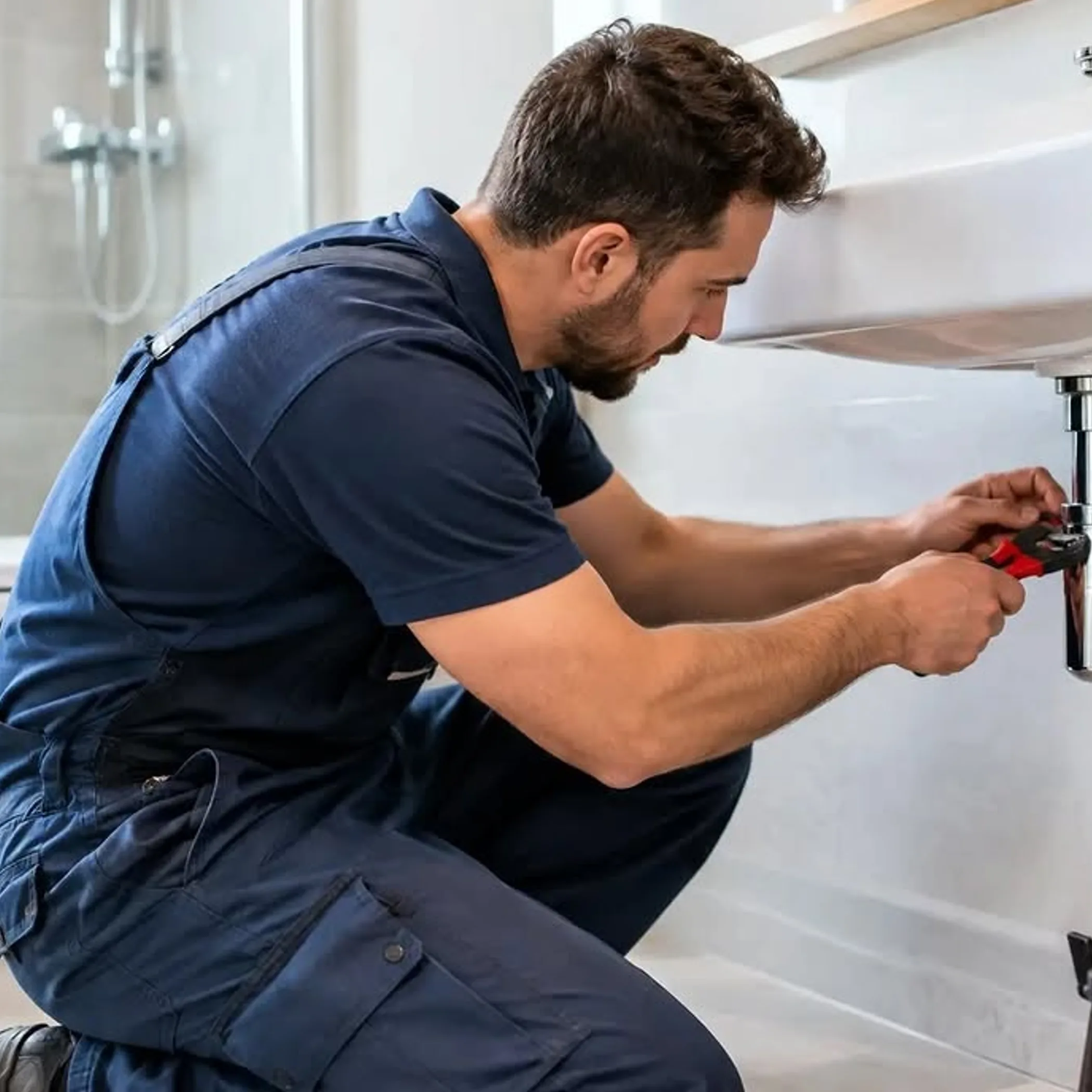
It is an urgent matter when several fixtures are involved, water is on the rise, the blockage is in the vicinity of electricity or has recurred after a stop gap measure, or when sewage is in the living quarters.
Make a call right away on seeing wastewater by a switchboard, a gas-like stench, structural movement, an inspection opening letting out sewage or contaminated water in the bedrooms. Give the plumber the details: which fixtures are down, if it has rained, who has had contact with the water and what is to be seen.
Access And Timing
A household overflow can be reported without having to put in an appearance at a public access point or make any kind of journey. One has only to remain clear of the contamination and see that the plumber is able to get to the property entrance, an inspection opening or the room in question from a safe distance.
In the event of storms, flooding or some other sewer fault of a more general nature, one should expect response times to be protracted as crews will put active hazards and the public first. Should the situation deteriorate while you are waiting, with a worsening smell or electrical danger for instance, the best course of action is to vacate the premises and put in a call to emergency services.
Prevent Future Drain Overflows
There is nothing dramatic about prevention compared to an emergency clean-up, yet it is far less odorous and much easier on the wallet. A blockage is often the result of old habits: putting grease in the sink, hair in the shower, wipes in the toilet or tree roots making their way into a pipe that has cracked.
- Do not pour cooking oil and fat down the sink; put it in a container with a good seal for disposal.
- The toilet is for toilet paper, nothing else. That means no nappies, paper towel, cotton or wipes.
- Make a habit of cleaning the hair screens in your showers.
- And keep garden waste, leaves and stormwater well clear of any inspection points.
- If a drain is gurgling or blocking time and again, have a plumber do an inspection.
- It is also wise to have the drainage fall and condition of the pipes looked at by a professional before the wet weather sets in.
Seasons play a part. Dry spells let roots look for moisture in compromised pipes, and a deluge of rain will test the drainage system and reveal any defects. In a low-lying area or an older home in a leafy suburb, routine checks are a sensible precaution ahead of the wettest months.
Frequently Asked Questions
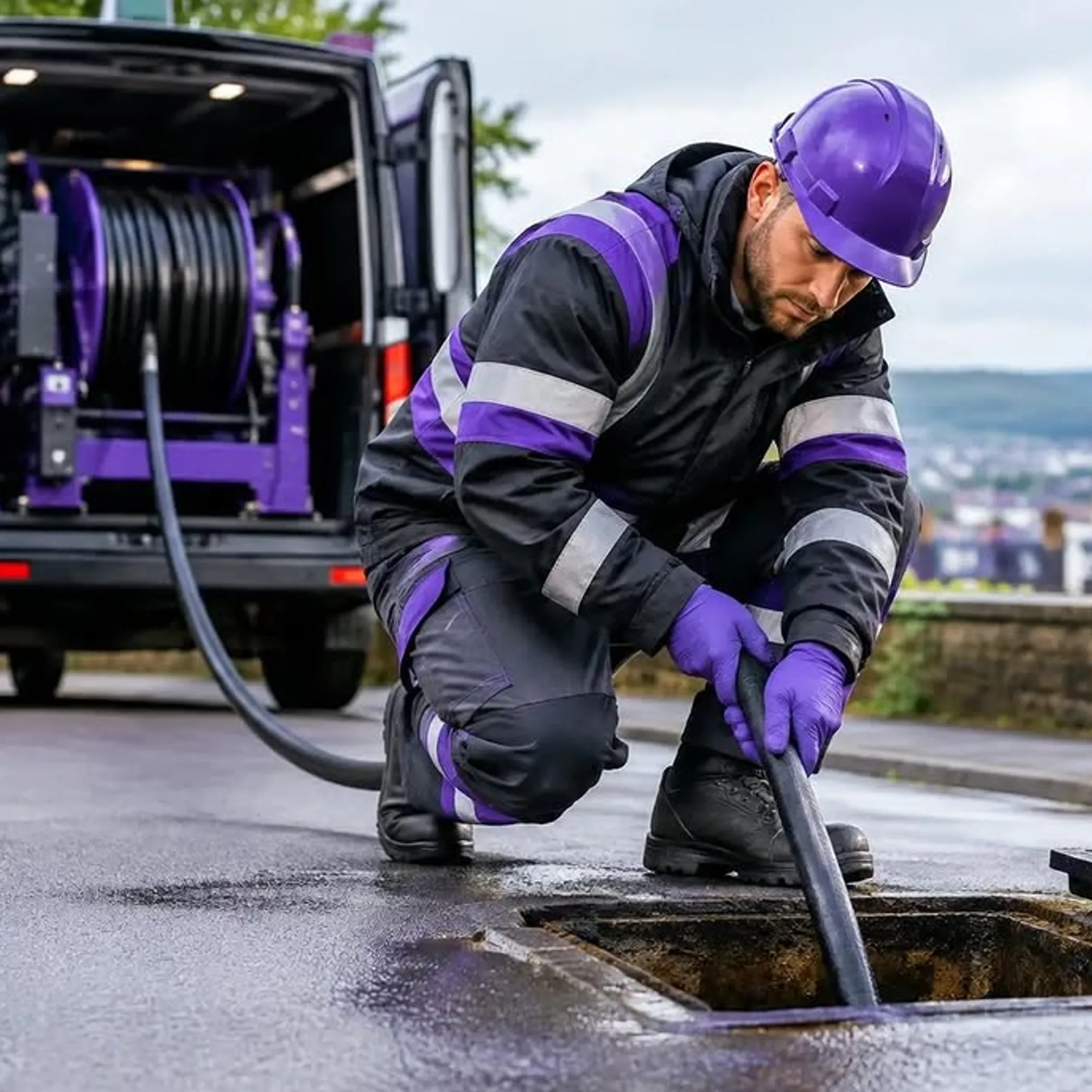
Can A Clogged Drain Make You Sick?
It can. Wastewater from a clog is rife with contaminants like bacteria, viruses and parasites. Coming into contact with this water and then your mouth, or getting it in an open wound, can lead to illness. If you develop a fever, vomiting, jaundice or diarrhoea, avoid further exposure and consult a doctor.
Is A Blocked Drain An Emergency?
In some cases it is. You would be right to treat it as such if there is raw sewage in the house, water close to an electrical source, multiple fixtures backing up or an overflow on the increase, particularly where vulnerable people are around. An after-hours call may not be warranted for a slow drain in isolation but if it is a recurring problem it needs to be put right.
What Is The Black Stuff From My Overflow?
Could be silt, grease, decomposing organic material or sewage. The colour is not a reliable indicator of what it is or its level of danger. Do not use the fixtures in question and stay away from it until a plumber can come and make an assessment.
Will Home Insurance Pay For A Blocked Drain?
That is a matter for the policy and the damage done. While sudden water damage might be covered, maintenance work, tree-root damage or the clearing of the blockage itself is often excluded. Read the fine print and speak to your insurer before you authorise anything non-urgent.
Is It Safe To Clean Up Sewage On Your Own?
You can manage a minor spill on hard surfaces if the source is contained and there is no risk of electricity. Put on the proper protection and make sure contaminated materials are disposed of without splashing. But if it has got into wall cavities, ducts or porous material over a wide area, leave it to the professionals.
Final Safety Takeaway
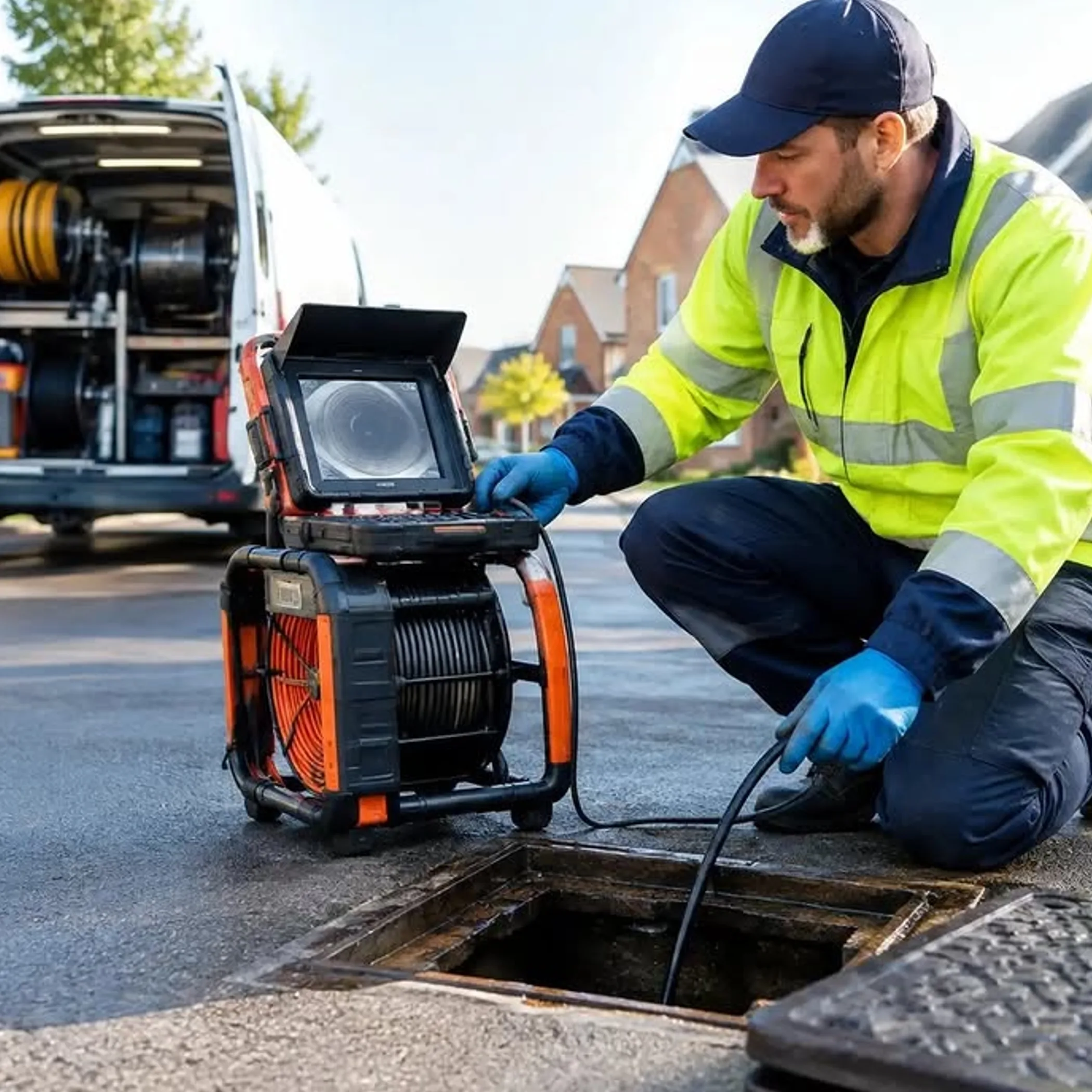
Blocked drains present health risks in the form of mould, pests, poor ventilation and of course contaminated water and electricity. Have a professional deal with it when raw sewage or wastewater is in the picture. Do not try chemical fixes, stop using the fixture and put people and pets out of harm’s way.
Seren Cox has a straightforward rule of thumb: if you would not want to put your hand in the water, do not walk in it or mop it up with bare hands or let the dog have at it. Be serious about an overflow and put an end to the source of the problem before a minor blockage turns into something the whole household has to put up with.
